Wednesday, September 23, 2026
Watch Live
UPDATED
FUEL PRICE
21-SEP-2026
PETROL
-1.70 PKR
Rs. 392.05/ltr
DIESEL
-3.12 PKR
Rs. 418.96/ltr
Headlines
Pakistan develops 'Gender Tracker' to tackle online harassment of women Bahawalpur teen plays 'Breaking Bad', arrested for poisoning father with AI help South Sudan’s President Salva Kiir dissolves government before historic vote Trump’s Board of Peace recovery blueprint sets $2.45B six-month plan to rebuild Gaza Rock world in shock as Rose Tattoo frontman 'Angry Anderson' dies at 79 Massive unexploded 'WW2' bomb found near Falmouth Docks Punjab boards announce Intermediate Part-II results 2026 PM appoints Hamza Farrukh as Pakistan Climate Change Authority chair Pakistan Navy, Coast Guards foil smuggling bid in Pishukan Saudi Arabia marks 96th National Day, highlights close Pakistan-Saudi partnership Pindiz owner warns of PSL exit over Rizwan Trump meets Venezuela’s Delcy Rodriguez on UNGA sidelines Shehbaz meets Bill Gates, reaffirms push to eradicate polio ADB forecasts Pakistan growth at 3.7% for FY2027, warns of middle east risks Prime Minister Shehbaz and DPM Dar ramp up diplomacy at UN General Assembly US F-16 crashes near German air base after training exercise Pakistan foils Afghan infiltration, responds to border fire Field Marshal Asim Munir discusses defence ties with France Nazanin Mandi engaged to Michael Gilroy after fairytale proposal Kevin Jonas melts hearts at Danielle’s 40th birthday celebration Y chromosome loss in men may create hidden pathway for cancer, study finds Snapchat turns chat messages into songs with new AI tools for Lens+ users Pakistan develops 'Gender Tracker' to tackle online harassment of women Bahawalpur teen plays 'Breaking Bad', arrested for poisoning father with AI help South Sudan’s President Salva Kiir dissolves government before historic vote Trump’s Board of Peace recovery blueprint sets $2.45B six-month plan to rebuild Gaza Rock world in shock as Rose Tattoo frontman 'Angry Anderson' dies at 79 Massive unexploded 'WW2' bomb found near Falmouth Docks Punjab boards announce Intermediate Part-II results 2026 PM appoints Hamza Farrukh as Pakistan Climate Change Authority chair Pakistan Navy, Coast Guards foil smuggling bid in Pishukan Saudi Arabia marks 96th National Day, highlights close Pakistan-Saudi partnership Pindiz owner warns of PSL exit over Rizwan Trump meets Venezuela’s Delcy Rodriguez on UNGA sidelines Shehbaz meets Bill Gates, reaffirms push to eradicate polio ADB forecasts Pakistan growth at 3.7% for FY2027, warns of middle east risks Prime Minister Shehbaz and DPM Dar ramp up diplomacy at UN General Assembly US F-16 crashes near German air base after training exercise Pakistan foils Afghan infiltration, responds to border fire Field Marshal Asim Munir discusses defence ties with France Nazanin Mandi engaged to Michael Gilroy after fairytale proposal Kevin Jonas melts hearts at Danielle’s 40th birthday celebration Y chromosome loss in men may create hidden pathway for cancer, study finds Snapchat turns chat messages into songs with new AI tools for Lens+ users

High Cholesterol: The Hidden Enemy of the Heart

Many people do not realize they have the condition until it begins to damage vital organs such as the heart, brain, or blood vessels.

Web Desk March 06, 2026 Add Bol News as a trusted source

High cholesterol is often described by health experts as a “silent enemy” of the heart because it can remain in the body for years without showing clear symptoms.

Many people do not realize they have the condition until it begins to damage vital organs such as the heart, brain, or blood vessels. This hidden nature makes high cholesterol particularly dangerous.

Cholesterol is a waxy, fat-like substance that circulates in the bloodstream. The body naturally produces a portion of it in the liver, while the rest comes from food, particularly animal-based products such as meat, fish, eggs, and dairy.

Although cholesterol is essential for the body and plays a key role in hormone production, strengthening cell membranes, and forming vitamin D, excessive levels can pose serious health risks.

Medically, cholesterol is divided into two main types. The first is high-density lipoprotein (HDL), commonly known as “good cholesterol,” which helps remove excess cholesterol from the bloodstream. The second type is low-density lipoprotein (LDL), often called “bad cholesterol,” which can stick to the walls of blood vessels and cause them to narrow and harden.

When LDL levels rise significantly, fatty deposits can accumulate inside the arteries, leading to a condition known as atherosclerosis. This restricts blood flow and increases the risk of serious complications.

Experts refer to high cholesterol as a “silent disease” because it usually does not cause symptoms in its early stages. However, when arteries become severely narrowed, people may experience chest pain, shortness of breath, leg pain, heart attacks, or strokes.

Doctors advise certain individuals to undergo regular lipid profile testing. People with diabetes, high blood pressure, obesity, or a history of smoking are at higher risk and should monitor their cholesterol levels closely. Some patients may require testing every six months, while others are advised to get tested at least once a year.

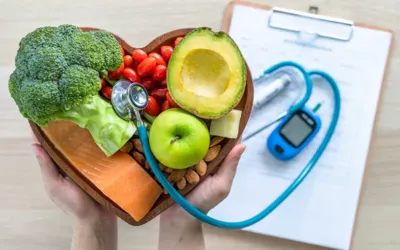
Adopting preventive measures can help control cholesterol levels. A balanced diet plays a crucial role. Foods high in saturated fats, such as full-fat dairy products and red meat, should be consumed in moderation, while fiber-rich foods like oats, lentils, and apples should be included in daily meals. Omega-3 fatty acids are also considered beneficial for heart health.

Moderation in egg consumption is also recommended. Egg whites provide high-quality protein with little to no fat, but excessive intake of egg yolks may increase cholesterol levels.

Regular physical activity is another key factor. At least 30 minutes of brisk walking daily can help increase good cholesterol levels, while about 150 minutes of moderate exercise per week is considered effective in keeping cholesterol under control.

Since high cholesterol often develops without noticeable symptoms, routine blood testing remains the most reliable way to detect it early. Timely awareness and simple lifestyle changes can play a vital role in preventing serious conditions such as heart attacks and strokes.

Recommended