DUBAI: Gulf stock markets mostly closed higher on Wednesday, Sept. 23, as Saudi Arabia restored operations at a major oil pipeline and hopes grew for a diplomatic breakthrough between the United States and Iran, easing concerns about regional oil supplies and pushing brent crude below $100 a barrel.
Investors remained focused on developments in the Middle East as renewed diplomatic efforts and signs of recovering oil supplies helped reduce pressure on regional markets. Saudi Arabia’s East-West Pipeline resumed operations Tuesday, while reports said crude exports from the Red Sea port of Yanbu could restart soon.
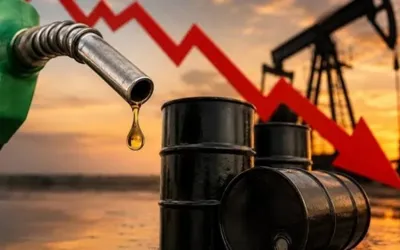
The developments came as global oil prices faced fresh pressure. Brent crude fell for the first time since Sept. 8 as markets reacted to signs that more Middle Eastern oil could return to global supplies.
Diplomatic efforts also supported investor confidence. U.S. President Donald Trump has issued both strong warnings and signals that an agreement with Iran could be possible, while diplomatic discussions at the United Nations continued.
In Dubai, the main stock index gained 0.2%. Toll operator Salik Co. was among the stronger performers, rising 2.8%.
“Geopolitics stayed front and center for investors,” said Milad Azar, a market analyst at XTB MENA.
He said concerns remained because traffic through the Strait of Hormuz was still below normal levels. However, renewed U.S.-Iran diplomatic efforts and reports that the waterway could reopen helped improve market sentiment.
Investors are now looking for clear diplomatic timelines that could provide longer-term stability, Azar said.
Qatar’s main index gained 0.3%, helped by a 0.5% increase in shares of Qatar National Bank, the Gulf’s largest lender.
Abu Dhabi’s main index also recovered from early losses to finish 0.4% higher. Saudi Arabia’s stock market was closed Wednesday for a public holiday. Outside the Gulf, Egypt’s blue-chip stock index fell 1.3%.
Egypt’s central bank is also expected to keep interest rates unchanged, according to a Reuters poll. Inflation has been easing gradually, while continued regional risks are keeping policymakers cautious about cutting rates again.
For investors across the region, the next moves in oil supplies, the Strait of Hormuz and U.S.-Iran diplomacy could remain key factors shaping market sentiment in the days ahead.