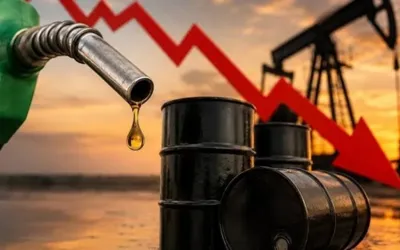
Millions of households in Great Britain will face higher energy bills starting Jan. 1, 2027, as the country’s energy regulator, Ofgem, announced on Wednesday, Nov. 25, that rising global gas prices will push the price cap up 26%, increasing the typical annual electricity and gas bill by £443 to £2,166.
The new price cap will affect about 22 million households through March 31, 2027. The average annual bill for a household using both gas and electricity and paying by direct debit will also rise.
The increase marks the third consecutive quarterly rise in energy costs, following a 13% increase in July and a 4% increase in October. According to The Guardian, the latest adjustment will bring energy bills to their highest level since early 2023.
Under the new price cap, gas rates will increase 37.5%, from 7.97 pence to 10.96 pence per kilowatt-hour. Electricity rates will rise 24.2%, from 26.32 pence to 32.69 pence per kilowatt-hour.
Daily standing charges will remain largely unchanged at 29.65 pence for gas and 54.77 pence for electricity. The price cap limits the rates suppliers can charge customers for each unit of energy. It does not set a fixed maximum bill, meaning households that use more energy will pay more.
Ofgem said the increase is mainly caused by higher wholesale energy prices. Gas prices have roughly tripled since the conflict in the Middle East began, putting additional pressure on energy markets across Europe.
Disruptions to energy supplies through the Strait of Hormuz have added to market uncertainty. Europe has also entered the winter season with some of its lowest gas storage levels on record.
The latest increase could leave a typical household paying nearly £600 more annually for gas and electricity than before the Middle East crisis.
Households on fixed-rate energy plans will generally be protected from the immediate impact of the new price cap until their contracts expire.
The government has also extended a temporary exemption from the 5% value-added tax on electricity bills until June 30, 2027.
Eligible households in council tax bands A through D in England will receive a £100 winter payment to help cover energy costs.
The latest increase is expected to increase pressure on the government to provide additional financial support to struggling households and speed up efforts to reduce Britain’s dependence on fossil fuels.
Energy bills are expected to fall slightly in April 2027, when Ofgem conducts its next price-cap review. However, energy consultancy Cornwall Insight warned that continued volatility in global markets, especially further disruption to the Strait of Hormuz, could change its forecasts.