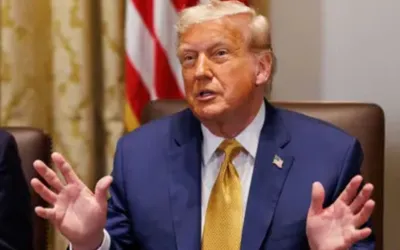
WASHINGTON: President Donald Trump moved Friday to withhold more than $800 million in federal spending already approved by Congress, escalating a dispute with lawmakers over the government’s power to control appropriated funds.
White House targets several programs
The funding covers programs involving immigration, education, refugee assistance, racial-minority business development and overseas conservation, among other areas.
The White House said Trump was using every available tool to reduce what it considers wasteful or harmful government spending.
“President Trump is committed to utilizing all possible tools to cut wasteful and harmful government spending that does not benefit American citizens,” the White House said in a statement.
The administration argued that some of the targeted programs support illegal immigration, contribute to racial tensions or promote what it characterized as alarmist approaches to environmental issues.
Rare budget tactic draws challenge
The administration is using a rarely employed mechanism known as a “pocket rescission,” which allows the president to seek to cancel funding without first obtaining a new vote from Congress.
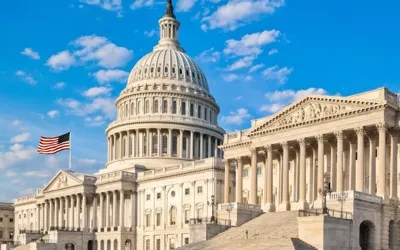
The dispute centers on the Constitution’s allocation of spending authority. Congress holds the power of the purse, while the administration argues that the targeted funds can be withheld through the rescission process.
Sen. Susan Collins, who chairs the Senate Appropriations Committee, called the move illegal and said it undermines Congress’ constitutional authority over federal spending.
“This is the most recent attempt by this Office of Management and Budget to undermine Congress’s Constitutional power of the purse,” Collins said. “Any effort to rescind appropriated funds without congressional approval is a clear violation of the law.”
Supreme court has considered similar move
The administration’s latest action follows an earlier dispute over the same approach.
The Supreme Court last year declined to block Trump from using the tactic to withhold $4.9 billion in foreign aid that Congress had approved, while litigation over the matter continued.
The latest move adds another chapter to the broader conflict between the White House and Congress over whether the administration can prevent funds from being spent after lawmakers have approved them.
Spending powers remain at center
The dispute is likely to keep the constitutional balance between Congress and the executive branch at the center of the legal and political debate.
The administration maintains that the targeted programs do not serve its spending priorities, while congressional critics argue that the executive branch cannot unilaterally override funding decisions made by lawmakers.