RALEIGH: A rare and potentially deadly brain infection has raised fresh water-safety concerns in North Carolina after health officials identified a community water feature in Durham County as the most likely source of an amoeba infection that killed a teenager.
The North Carolina Department of Health and Human Services (NCDHHS) said that its investigation found the teen had contact with water from a feature at a community-based organization during the likely exposure period, including splashing water onto the face.
Testing later detected "Naegleria fowleri" in the water feature. The site was closed by the Durham County Department of Health and remains closed. The teenager, whose identity has not been released, was hospitalized after becoming ill. The teen died after following a rapid illness caused by a microscopic, single-celled organism commonly found in warm freshwater.
Health officials initially had not been able to determine where the exposure occurred. Investigators later interviewed the teen’s family, examined several possible exposure locations and tested sites with assistance from the Centers for Disease Control and Prevention.
What is Naegleria fowleri?
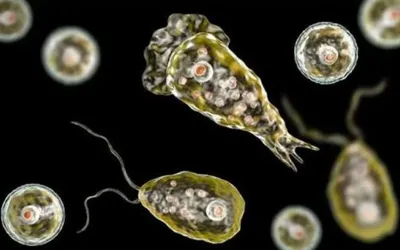
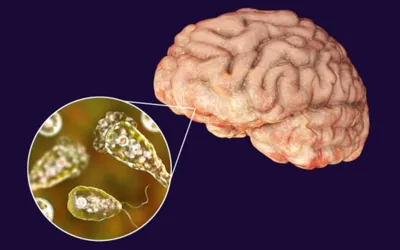
Naegleria fowleri is commonly known as the “brain-eating amoeba.” Despite the frightening nickname, it is not a bacterium or virus. It is a free-living amoeba, single-celled organism that can live naturally in soil and warm freshwater.
The infection occurs when contaminated water enters the nose. The amoeba can travel through the nasal passages toward the brain, where it can destroy brain tissue and cause a rare disease called primary amebic meningoencephalitis (PAM). Importantly, swallowing water containing Naegleria fowleri does not cause PAM. The infection also does not spread from one person to another.
How does the infection begin?
PAM often begins with symptoms that can resemble other types of meningitis. According to the CDC, early warning signs can include:
- Severe headache
- Fever
- Nausea
- Vomiting
As the infection advances, people may develop a stiff neck, confusion, difficulty paying attention, seizures, hallucinations, loss of balance and eventually coma. Symptoms generally appear about five days after exposure but can begin anywhere from one to 12 days later.
The disease can progress extremely quickly. Death typically occurs within about five days after symptoms begin, although the reported range is one to 18 days.
Why warm water can raise the risk?
Naegleria fowleri thrives in warm freshwater, including lakes, ponds, rivers and hot springs. It can also rarely be found in poorly maintained recreational water facilities. The organism becomes a serious threat when contaminated water is forced into the nose, particularly during swimming, diving, splashing or other activities that put freshwater into the nasal passages.
The CDC says PAM remains extremely rare in the United States. Its 2026 data show that 180 cases were diagnosed nationally from 1937 through 2025, with annual cases ranging from zero to eight during that period.
How to reduce the risk?
Health officials stress that the risk of infection is very low, but people can take precautions when entering warm freshwater. The CDC recommends holding the nose shut or using a nose clip when jumping or diving into freshwater. People should also keep their heads above water in hot springs and avoid stirring up sediment in shallow, warm freshwater, where the amoeba may be more likely to occur.
Anyone who develops sudden symptoms such as severe headache, fever, vomiting or a stiff neck after recent exposure to warm freshwater should seek medical attention immediately.
The North Carolina investigation serves as a reminder that while this infections are exceptionally uncommon, basic water-safety precautions can help reduce the chance of contaminated water entering the nose.