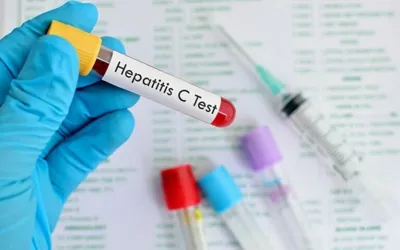
Researchers at the University of Illinois Urbana-Champaign have developed a new testing method that can identify hepatitis C and Zika virus directly from dried whole blood, potentially making diagnosis faster and easier in places where advanced laboratories are difficult to reach.
The approach removes several complicated preparation steps normally required before testing. Researchers say the simpler process could help bring molecular testing closer to patients, especially in areas with limited medical equipment.
The technology is designed to overcome a major problem in infectious disease testing. Conventional whole-blood samples often require centrifuging, extracting and purifying material before doctors can look for viral genetic material. Those procedures usually need specialized equipment, trained workers, cold storage and reliable transportation.
Rashid Bashir, a bioengineering professor at the University of Illinois Urbana-Champaign, said delayed test results can reduce the benefits of treatments that are otherwise highly effective. He said health systems need tests that can deliver accurate results quickly and operate in different settings.
The need is especially important for hepatitis C, which can be cured in more than 95% of cases when antiviral treatment is provided at the right time. However, many infected people remain undiagnosed or untreated, particularly in lower-income parts of the world.
Zika also creates serious concerns because early detection can help doctors identify pregnancies that may face risks from severe complications, including microcephaly, research team developed a process that dries blood samples while preserving the RNA molecules needed for detection.
The sample can then undergo RNA amplification directly, without the usual extraction and purification stages. The system also removes the need for a traditional cold chain, which can be difficult to maintain in remote locations. Researchers said the process requires only a basic heater for sample preparation and amplification, along with a small fluorescence reader to identify the testing signal.
Researchers said its performance was comparable to methods that use more extensive sample preparation. The platform can also test for several viral targets from the same blood sample, a feature known as multiplex testing.
Researchers said the results demonstrate the potential of dried-blood diagnostics for point-of-care testing in both resource-rich and resource-limited settings. The technology could eventually make molecular testing more practical in communities where centralized laboratory services are slow, expensive or unavailable.