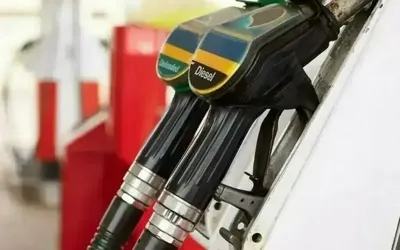
KARACHI: Pakistan could save more than $1 billion in gross fuel imports over five years by adding 30,000 range-extended electric vehicles annually, according to industry analysts.
The projection is based on a fleet of 150,000 range-extended electric vehicles, or REEVs, and estimates that the vehicles could displace about 1.2 billion liters of petrol while avoiding roughly 2.7 million metric tons of operational carbon emissions compared with similar petrol-powered vehicles.
The actual savings and emissions reductions would depend on driving patterns, electricity sources used for charging and the extent to which vehicles operate in electric mode, analysts said.
Industry representatives said wider adoption of electric vehicles could reduce Pakistan’s exposure to international oil-price volatility and ease pressure on foreign exchange reserves.
Doubling annual REEV additions to 60,000 vehicles could broadly double the projected benefits under comparable assumptions, they said.
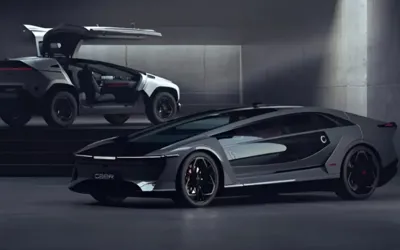
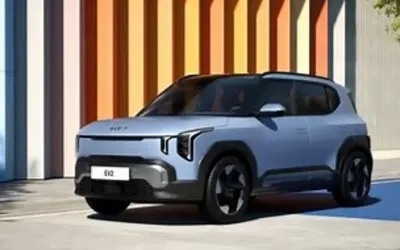
REEVs use electric motors to drive the wheels while an onboard fuel-powered generator produces electricity when the battery needs additional power. The technology allows drivers to use electric propulsion for routine travel while providing additional range for longer journeys.
Industry representatives said Pakistan Customs has classified qualifying REEVs under the tariff category for vehicles propelled solely by an electric motor following hearings, consultations with industry stakeholders, technical examination and engagement with the World Customs Organization.
They said the applicable tariff concessions should be considered in the broader context of energy security and the adoption of new automotive technology rather than solely in terms of competition among vehicle manufacturers.
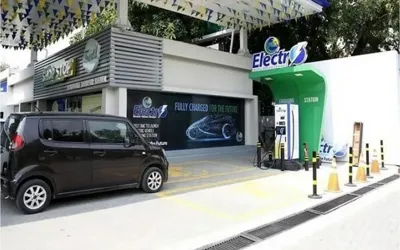
For consumers, REEVs can provide an alternative to conventional petrol vehicles while Pakistan continues to expand its public charging infrastructure.
Modern REEV models can travel about 150 to 180 kilometers on battery power under suitable conditions, with the onboard generator providing additional range on longer journeys.
Some owners who rely heavily on rooftop solar for charging have reported monthly savings of up to 65,000 rupees after shifting routine travel from petrol to electricity, according to industry sources.
The shift toward electrification is also expanding beyond larger vehicles. Smaller electric cars, including the recently introduced Chery Q, are increasing consumer options in the 4 million to 5.5 million rupee price range, while several electric motorcycles are available for less than 300,000 rupees.
With motorcycles widely used for daily commuting in Pakistan, greater adoption of electric two- and three-wheelers could further reduce household fuel costs and national petrol demand.
Industry analysts have called for the next automotive policy to provide a stable framework for at least 10 years, alongside affordable financing and expanded charging infrastructure.
They said incentives should gradually promote local manufacturing, economies of scale and consumer protection.
Manufacturers, meanwhile, should compete by improving vehicle technology, reducing running costs and strengthening after-sales service, industry representatives said, while policymakers should focus on long-term energy security.