RIYADH: Saudi Arabia intercepted and destroyed a Houthi drone south of Mecca on Tuesday evening before it could enter the holy city’s restricted airspace, officials said, as a surge in regional attacks draws the kingdom deeper into the widening Middle East conflict.
The Saudi-led coalition’s spokesperson, Maj. Gen. Turki al-Malki, said the drone was intercepted at about 6:50 p.m. south of Mecca. He described the security of the Two Holy Mosques and pilgrims as a “red line.”
The Houthis denied targeting Mecca. Mohammed al-Farah, a member of the group’s political bureau, called the Saudi allegation “an outright lie,” according to the Houthi-run SABA news agency.
Al-Malki said the incident marked the second reported Houthi attempt to target Mecca, following a ballistic missile launch toward the holy city in July 2017.
Mecca is home to Islam’s holiest sites and is the focal point of the annual Hajj pilgrimage, making any reported threat to its airspace particularly sensitive.
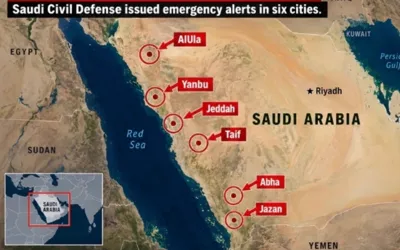
Saudi authorities issued security alerts for Mecca on Tuesday as regional tensions continued to escalate.
The drone incident came after a series of attacks claimed by the Houthis against Saudi targets.
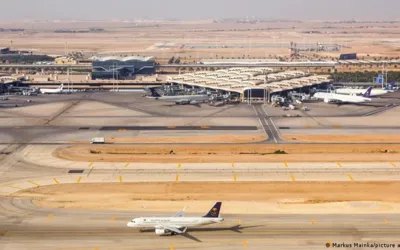
The group said it attacked a Saudi air base on Monday in retaliation for Saudi airstrikes in Yemen. Saudi-led coalition officials said the attack injured 13 civilians.
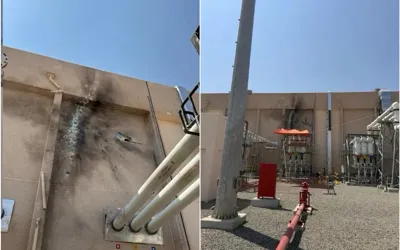
Saudi Arabia has also blamed an Iran-aligned group based in Iraq for a separate attack that damaged the kingdom’s East-West oil pipeline, a key route for moving crude to the Red Sea.
The 1,200-kilometer pipeline has become increasingly important as disruptions in the Strait of Hormuz have restricted shipping through the strategic waterway.
The East-West pipeline, which connects Saudi oil fields in the Gulf with the Red Sea, has been shut since the attack, according to the report.
Traders have warned that a prolonged closure could affect global oil supplies, while U.S. Energy Secretary Chris Wright said crude could begin flowing through the pipeline within days.
At the same time, the Houthis have expanded their presence along parts of Yemen’s Red Sea coast, including areas near the Bab el-Mandeb Strait, another major route for global energy and commercial shipping.
Saudi Arabia has battled the Houthis since 2015 as part of a coalition supporting Yemen’s internationally recognized government. The conflict had largely eased under a yearslong truce before fighting intensified again.
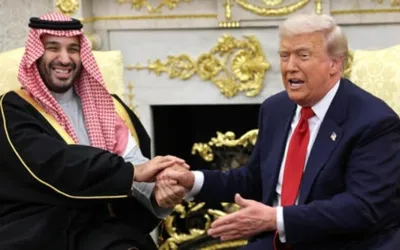
Crown Prince Mohammed bin Salman has sought U.S. military support as attacks on Saudi territory have increased, with U.S. assistance so far focused mainly on intelligence, according to Reuters.
The latest drone interception adds another security challenge for Riyadh as fighting involving Iran, the Houthis and other regional groups continues to put pressure on Saudi territory, energy infrastructure and key shipping routes.