The European Union has formally joined a U.S.-led sanctions campaign against Iran, while South Korea said it is weighing a military role to help reopen the Strait of Hormuz, as Washington presses allies to back its war against Tehran on financial and military fronts.
U.S. Treasury Secretary Scott Bessent praised the EU for signing on to "Operation Economic Outcast," the sanctions campaign aimed at cutting Iran off from the global financial system.
"We appreciate their strong and early stance," Bessent wrote in a social media post Thursday evening. "The world is sending a clear message to the Iranian regime: We will not stop until every remaining financial lifeline has been severed."
The comments followed an Aug. 31 statement from Brussels expressing support for efforts to stop Tehran's "destabilizing activities" and to resume peace talks, including through the sanctions campaign, in order to apply additional economic pressure on the Islamic Republic. The EU's endorsement came as finance ministers and central bank governors from the Group of 20 met this week in Asheville, North Carolina.
"The United States stands firm with our allies in ensuring the murderous Iranian regime cannot exploit the global financial system to fund its nuclear ambitions, weapons programs, and terror proxies," Bessent said in the Thursday post.
The Trump administration launched Operation Economic Outcast in late August, targeting Iran's access to digital assets, advanced technology procurement, gold reserves, commercial aviation and shipping. Bessent has described the campaign as an "economic onslaught," warning that countries aiding Tehran should "expect to share in the isolation of a withering regime." China had been Iran's largest trading partner, purchasing roughly 90% of the country's sanctioned crude exports before the war.
The EU separately maintains its own sanctions regime targeting Iran's nuclear and ballistic missile programs and its military support for Russia.
Ahead of the G20 summit, Bessent signaled he would press counterparts to cut financial ties with Tehran or face secondary sanctions, and said Washington would roll out new secondary sanctions each week, initially targeting banks that facilitate Iran-related transactions, with the goal of severing them from the dollar-based financial system.
Seoul weighs Hormuz role
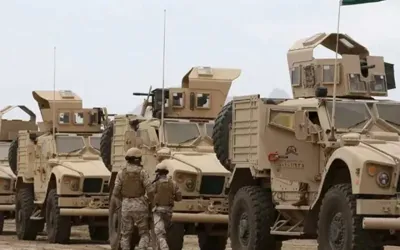
South Korea is weighing options, including military assistance, to support the U.S. bid to reopen the Strait of Hormuz to commercial shipping, Reuters reported Friday, citing the presidential office. The government denied local media reports that a final decision had already been made, telling reporters that "details related to the issue have yet to be decided," according to Yonhap News.
Several South Korean outlets reported Thursday that Seoul was preparing to send troops to the Gulf region before year's end and could seek parliamentary approval as soon as this month. The consideration comes amid U.S. dissatisfaction with Seoul's reluctance to offer military assistance, after South Korea scaled back an annual joint military drill last month and canceled a landing drill scheduled for September.
Standoff continues
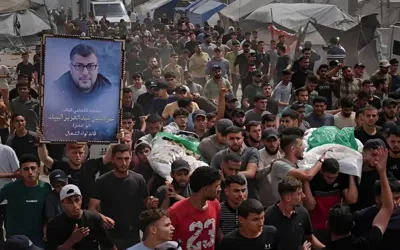
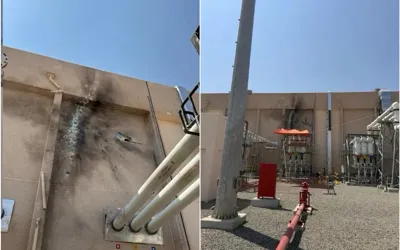
Hostilities in the region intensified in recent days, reviving fears of a broader war. The U.S. military carried out a new wave of strikes this week, hitting military targets in Iran in retaliation for attacks on ships and American forces. Iran responded with missile strikes on U.S. military bases across the Middle East.
Iranian foreign ministry spokesperson Esmail Baghaei pushed back against the EU's move, calling it Washington's "economic terrorism." In a Sept. 1 post, Baghaei said the bloc had "surrendered its sovereignty, its laws and regulations, values and ethics to U.S. coercion."
Shipping through the Strait of Hormuz, a chokepoint that carried roughly a fifth of global oil flows before the war, has remained subdued, with Iran launching periodic strikes on vessels using the southern shipping lane near the Omani coast. The U.S. has maintained a naval blockade in the strait to stall Iran's crude oil shipments. U.S. Central Command said Friday it has redirected 87 commercial vessels, disabled three and boarded two to ensure compliance.
Vance: This is not a war
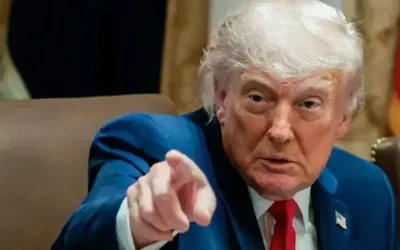
Vice President JD Vance on Thursday ruled out calling the conflict with Iran a war, despite renewed attacks and a growing U.S. military presence in the Middle East, as the hostilities entered their seventh month with midterm elections looming.
His remarks came after Washington and Tehran exchanged attacks this week following a period of relative calm, with no diplomatic talks underway to end the conflict. The war has weighed on President Donald Trump's approval ratings and driven up gas prices, raising the stakes for Republican candidates seeking to preserve their party's narrow congressional majorities in November.
In a White House briefing, Vance touted U.S. efforts to keep oil shipping flowing through the Strait of Hormuz, where Iran has disrupted maritime traffic since the war began, crediting Washington's actions with helping avert a broader global energy crisis.
He pushed back on describing the conflict as a war, saying the U.S. has ended major combat operations with Iran despite this week's renewed fighting, and said Washington's focus now is ensuring Tehran cannot continue disrupting commercial oil shipping. "I wouldn't call it a war," Vance said. "Right now there's no active shooting. I recognize there's been places where this has flared up."
The U.S. maintains more than 50,000 troops in the Middle East and has surged assets into the region, including nearly 20 warships focused on the blockade, pulling some troops from deployments in Europe and the Indo-Pacific for longer than initially expected.
Asked repeatedly about a timeline for ending the war, Vance said it would hinge on Iran halting attacks on commercial shipping. "When will the Iranians stop shooting at ships? I think the reality is I don't know the answer to that question," he said. He also ruled out negotiations as long as Tehran continues targeting commercial vessels.
Although the most intense fighting has subsided, recurring exchanges of fire and the absence of a definitive end to the war have kept global oil prices elevated. On Tuesday, the U.S. launched airstrikes on Iran, hitting what it described as military targets along the coast in retaliation for Iranian attacks on shipping in the Strait of Hormuz, an escalation that pushed oil prices to their highest levels since July.