A record-breaking El Niño is already heating the tropical Pacific months before its expected peak, raising concerns about extreme temperatures, shifting rainfall and growing risks to food, water and public health around the world.
The powerful climate pattern has pushed ocean temperatures in the central Pacific to about 3.05 degrees Celsius above the 1991-2020 average, edging past the previous record of 3.02 degrees Celsius recorded in November 2015.
Scientists say the warming is occurring earlier than expected, with forecasts indicating that the event could strengthen further toward the end of 2026.
The World Meteorological Organization (WMO) said El Niño is now firmly established and is expected to reach a very strong level in the coming months. Forecast models show the event is likely to continue through early 2027, while exceptionally warm Pacific waters are helping drive its development.
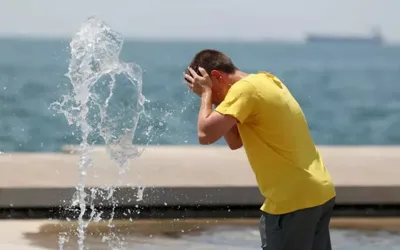
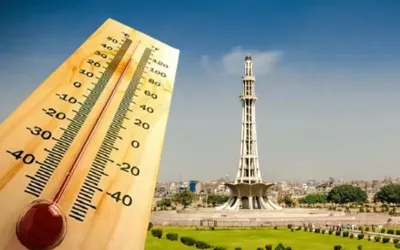
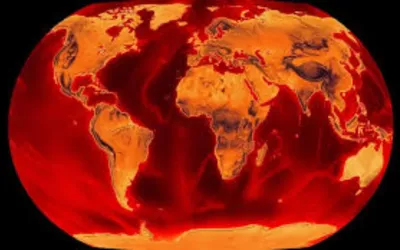
For September through November 2026, WMO forecasts show a strong possibility of above-normal temperatures across almost all land areas. That means many regions could face additional heat as the El Niño pattern develops alongside long-term global warming.
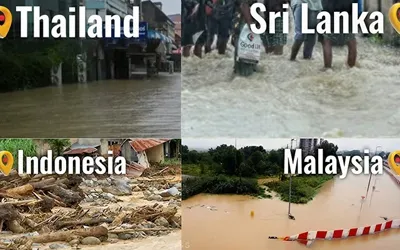
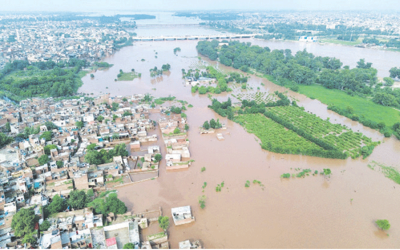
Rainfall patterns are also expected to shift. Some parts of the world could receive heavier-than-usual rain and face greater flooding threats, while other areas may experience reduced rainfall and worsening drought conditions.
WMO expects wetter-than-normal conditions in parts of East Africa, Central Asia, southern Europe, western North America and southeastern South America. Drier conditions are more likely across parts of the Indian subcontinent, southern and eastern Australia, northern Europe, Central America and the Caribbean.
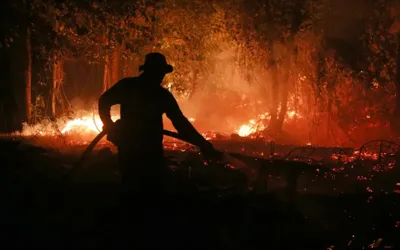
The changing weather patterns could put additional pressure on farming, water supplies, electricity systems and public health. Extreme heat can increase health dangers, while drought and excessive rainfall can damage crops, disrupt incomes and threaten local food supplies.
The effects of El Niño will not be identical everywhere. Scientists say regional conditions depend on the time of year, the strength and duration of the event and its interaction with other climate patterns. WMO notes that a stronger El Niño does not automatically mean every region will experience more severe impacts.
Scientists are continuing to track the event as it develops. WMO and national weather agencies are urging governments, communities and climate-sensitive industries to use seasonal forecasts and early-warning systems to prepare for possible extreme challenges through late 2026 and into 2027.
The latest forecasts indicate that El Niño could remain a major influence on global weather patterns, by making months a critical period for monitoring weather risks and preparing vulnerable communities.