Wednesday, September 23, 2026
Watch Live
UPDATED
FUEL PRICE
21-SEP-2026
PETROL
-1.70 PKR
Rs. 392.05/ltr
DIESEL
-3.12 PKR
Rs. 418.96/ltr
Headlines
Field Marshal Asim Munir discusses defence ties with France Nazanin Mandi engaged to Michael Gilroy after fairytale proposal Kevin Jonas melts hearts at Danielle’s 40th birthday celebration Y chromosome loss in men may create hidden pathway for cancer, study finds Snapchat turns chat messages into songs with new AI tools for Lens+ users Viral flag star 'Omar Aliyev' sparks buzz with debut song in Kazakhstan 11 hurt as teen opens fire outside Türkiye high school in Turgutlu Angelina Jolie’s daughter Vivienne sparks buzz with art business launch Nushki attack leaves two policemen martyred while protecting polio team in Balochistan Pakistan-Japan FMs get fresh bilateral boost for stronger trade and IT ties at UNGA At UNGA Bilal Bin Saqib pitches AI and tokenization as engines of financial inclusion Trump applauds Mamdani after finding common ground in New York meeting Pakistan secure women’s cricket bronze in Asian Games Busan foreign student population hits record 24,328 Oil Prices rise as markets watch US-Iran diplomacy Pakistan, Saudi Arabia waive visas for diplomatic, official passports UK approves defensive air support for Saudi Arabia CNN, Politico, MS NOW sue over Trump White House ban G7 urges Iran to stop supporting Yemen’s Houthis Gigi Hadid and Zayn Malik make Khai’s sixth birthday special Field Marshal Asim Munir discusses defence ties with France Nazanin Mandi engaged to Michael Gilroy after fairytale proposal Kevin Jonas melts hearts at Danielle’s 40th birthday celebration Y chromosome loss in men may create hidden pathway for cancer, study finds Snapchat turns chat messages into songs with new AI tools for Lens+ users Viral flag star 'Omar Aliyev' sparks buzz with debut song in Kazakhstan 11 hurt as teen opens fire outside Türkiye high school in Turgutlu Angelina Jolie’s daughter Vivienne sparks buzz with art business launch Nushki attack leaves two policemen martyred while protecting polio team in Balochistan Pakistan-Japan FMs get fresh bilateral boost for stronger trade and IT ties at UNGA At UNGA Bilal Bin Saqib pitches AI and tokenization as engines of financial inclusion Trump applauds Mamdani after finding common ground in New York meeting Pakistan secure women’s cricket bronze in Asian Games Busan foreign student population hits record 24,328 Oil Prices rise as markets watch US-Iran diplomacy Pakistan, Saudi Arabia waive visas for diplomatic, official passports UK approves defensive air support for Saudi Arabia CNN, Politico, MS NOW sue over Trump White House ban G7 urges Iran to stop supporting Yemen’s Houthis Gigi Hadid and Zayn Malik make Khai’s sixth birthday special

Rule of law, not lobbying: Why external narratives cannot override Pakistan’s courts

Islamabad has been actively working to reduce regional tensions.

Web Desk April 01, 2026 Add Bol News as a trusted source

Recent international commentary calling for the release of Imran Khan reflects less concern for Pakistan’s stability and more an attempt to internationalize a domestic legal matter. Judicial outcomes are determined in courts, not in op-eds.

The argument advanced by Eric Lewis departs from legal reasoning and enters the realm of advocacy. It selectively questions due process while overlooking a fundamental fact: Khan is not arbitrarily detained, but a convicted individual facing multiple cases under Pakistan’s legal framework. To recast this as political victimhood is a misreading of both law and record.

Equally flawed is the personality-driven claim that Pakistan’s stability hinges on one individual. States function through institutions, not individuals, and Pakistan’s recent diplomacy illustrates precisely that.

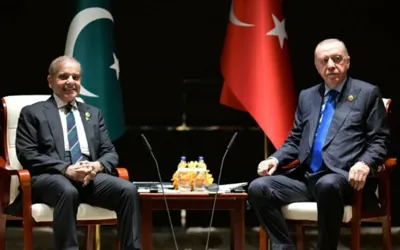
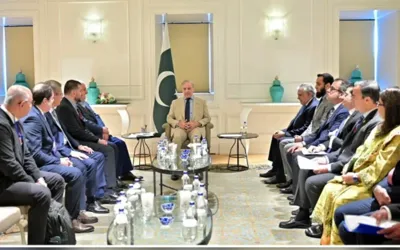
Islamabad has actively engaged in regional de-escalation, including participation in U.S.–Iran backchannel diplomacy and broader multilateral peace efforts, positioning itself as a facilitator in a volatile region. Its role in conveying proposals and hosting dialogue underscores continuity in statecraft, not dependence on personalities.

Historical context further weakens the narrative. Khan’s tenure saw episodes that strained key relationships, including tensions around the Kuala Lumpur summit and divergences within the Organisation of Islamic Cooperation. These were not markers of stable diplomacy, but of inconsistency that the state later had to recalibrate.

Finally, warnings that legal accountability could trigger instability are less analysis and more pressure tactics. Such framing attempts to elevate an individual’s legal fate into a question of national survival, an argument that neither reflects institutional reality nor serves democratic norms.

Sovereign legal systems cannot be overridden by external commentary. Courts, not columns, will decide, and must be allowed to do so.
Recommended