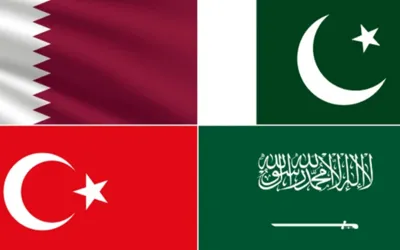
TEHRAN: Iran began talks Monday with Pakistan, Saudi Arabia and Turkiye under the Makkah security pact to discuss regional security and the ongoing Middle East conflict, Iranian state television reported.
The meeting, requested by Pakistan, opened in Tehran and focused on regional cooperation, what Iran described as US-Israeli aggression against the country, and its consequences, according to the state broadcaster.
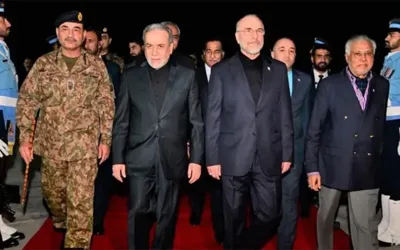
Ali Bagheri Kani, deputy secretary of Iran’s Supreme National Security Council, said the meeting would include Saudi Defence Minister Prince Khalid bin Salman, Pakistan’s Chief of Defence Forces and Chief of Army Staff Field Marshal Syed Asim Munir, and Turkish intelligence chief Ibrahim Kalin.
Pakistan’s military media wing, Inter-Services Public Relations, confirmed earlier Monday that Munir was visiting Tehran.
Iranian security chief Mohsen Rezaei was also expected to attend the discussions, Bagheri Kani said.
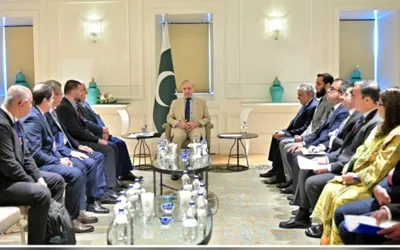
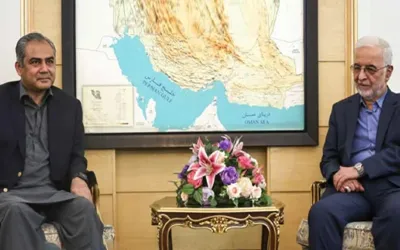
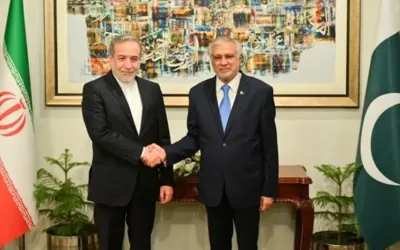
Iranian President Masoud Pezeshkian met the visiting representatives, according to photographs released by the presidential website. Iran’s Foreign Minister Abbas Araghchi and Rezaei were also present.
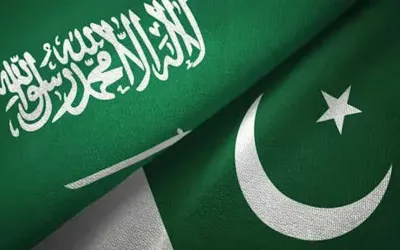
Saudi Deputy Minister for Public Diplomacy Rayed Krimly confirmed that Prince Khalid was leading a delegation to Tehran, saying the visit was part of continued efforts by countries covered by the Makkah Joint Defence Agreement to reduce tensions.
The initiative aims to promote dialogue and diplomatic solutions in support of mediation efforts by Qatar and Pakistan, Krimly said in a post on X.
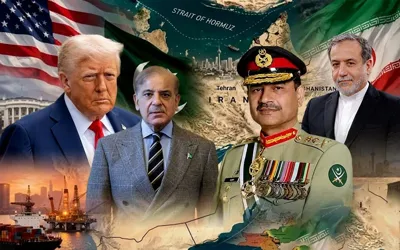
The talks come nearly eight months after US and Israeli attacks on Iran in late February triggered a wider conflict and prompted Tehran to impose restrictions on shipping through the Strait of Hormuz, a critical global energy route.
The conflict has disrupted international markets and energy trade. Before the war, the strait carried about one-fifth of the world’s oil and liquefied natural gas supplies.
An April ceasefire ended the initial phase of intense bombardment, but tensions over control of the waterway have persisted.
Iran claims control over the Strait of Hormuz and has repeatedly targeted vessels attempting to cross without its authorization. The United States, meanwhile, has imposed a naval counter-blockade on Iranian ports.
The conflict has also spread across the region, including fighting between Saudi Arabia and Yemen’s Houthi movement, which has attacked airports and oil facilities in the kingdom.
Efforts to resolve the crisis have made little progress, particularly following the collapse of a June agreement that had outlined a path toward a permanent settlement.
The Tehran meeting offers a fresh diplomatic initiative involving Pakistan, Saudi Arabia and Turkiye as regional powers seek to reduce tensions and support negotiations to end the conflict.