Pakistan announces sweeping austerity and fuel-saving measures as global oil and gas supplies are disrupted by escalating Middle East conflicts, including the US-Israel-Iran war.
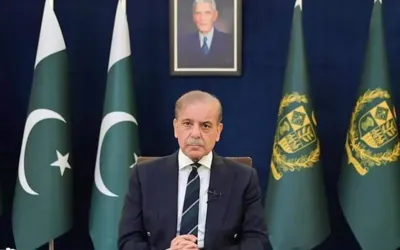
Prime Minister Shehbaz Sharif addressed the nation on Monday night, warning that tensions in the region and possible disruptions to shipping through the Strait of Hormuz could severely impact Pakistan’s fragile economy.In response, the government has introduced a series of emergency steps aimed at reducing fuel consumption and stabilising the economy.
Under the new plan, 50 percent of government employees will work from home on a rotating basis, while the private sector has also been advised to adopt similar arrangements. However, essential sectors such as banking have been exempted from the policy.
The government has also introduced a four-day workweek for public sector offices to reduce commuting and fuel usage.
To further conserve energy, schools across the country will remain closed from March 16 until the end of the month, although scheduled examinations will continue as planned. Meanwhile, universities and higher education institutions have been directed to shift to online classes during the period.
As part of austerity measures, federal and provincial cabinet members will forgo their salaries and allowances for two months, while members of federal and provincial legislatures will face a 25 percent reduction in salaries during the same period.
The government has also placed restrictions on official travel. Ministers, parliamentarians and senior officials will only be allowed to travel abroad for essential purposes and must fly in economy class.
Additionally, all in-person meetings across federal and provincial government departments have been banned, with officials instructed to conduct meetings online. Fuel allowances for government offices have also been reduced.
Authorities have urged citizens to limit social gatherings, announcing that weddings and other events will be capped at 200 guests and restricted to one main dish.
Pakistan remains heavily dependent on imported energy, relying on more than 80 percent of its oil needs from abroad.
According to official data, oil imports between July 2025 and February 2026 reached $10.71 billion, while the total for the calendar year 2024 exceeded $15 billion.
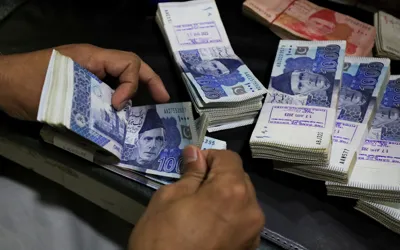
The ongoing crisis has already triggered the largest fuel price increase in Pakistan’s history, with petrol rising to $1.15 per litre and diesel to $1.20 per litre, marking a 20 percent increase within a week.
The surge in fuel prices has led to higher transport fares and rising grocery costs, placing additional pressure on households.
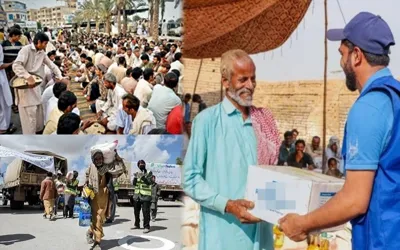
The situation has emerged during the final days of Ramadan, as families prepare for Eid ul-Fitr, traditionally one of the busiest spending periods for Pakistani households.
Despite the challenges, analysts have praised the government’s swift response, noting that early austerity measures and fuel-saving policies could help Pakistan reduce economic shocks and maintain essential services.
Experts also said that public awareness campaigns and temporary adjustments in work and schooling patterns could foster more efficient energy use, which may have long-term benefits for the country’s energy management.