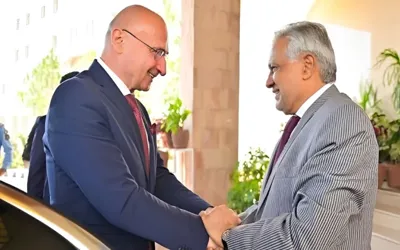
Once locked in a bitter military and diplomatic standoff, India and China are now cautiously stepping toward renewed engagement — a shift underscored this week by high-level talks between Indian Prime Minister Narendra Modi and Chinese Foreign Minister Wang Yi.
The meeting marks a symbolic and strategic milestone in the evolving relationship between Asia’s two biggest powers, long defined by mutual suspicion, border disputes, and rising nationalism.
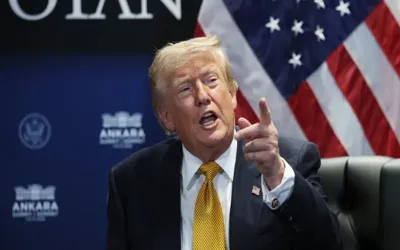
Just five years ago, India’s attention was clearly elsewhere. In February 2020, then-U.S. President Donald Trump was welcomed with great fanfare at the “Namaste Trump” rally in Ahmedabad. The visit celebrated booming U.S.-India ties, with Trump and Modi displaying a personal camaraderie that paralleled closer military and trade cooperation between the two democracies.
But by mid-2020, India’s relationship with China took a drastic turn. The deadly Galwan Valley clashes in June of that year left 20 Indian and four Chinese soldiers dead, sparking a surge in anti-China sentiment across India. New Delhi swiftly banned over 200 Chinese apps, ramped up border deployments, and expanded cooperation with the U.S.-led Quad alliance alongside Japan and Australia.
Tensions remained high until recently, with Beijing repeatedly viewed as India’s primary adversary — most notably during a brief but intense conflict with Pakistan earlier this year, when Islamabad deployed Chinese-made weapons systems in a four-day confrontation.
A Strategic Reset:
Despite this fraught history, geopolitical realignments — particularly growing dissatisfaction with Washington’s erratic trade policies — appear to be reshaping India’s external relations. Trump’s return to the White House and renewed protectionist tariffs, including a steep 50 percent duty on Indian imports, have added strain to U.S.-India ties.
Amid these changes, India and China are exploring a cautious rapprochement.
“The setbacks we experienced in the past few years were not in the interest of the people of our two countries,” Chinese Foreign Minister Wang Yi said after his meeting with Modi on Monday. “We are heartened to see the stability that is now restored at the borders.”
Modi echoed the sentiment, emphasizing “respect for each other’s interests and sensitivities” and describing recent developments as “steady progress.”
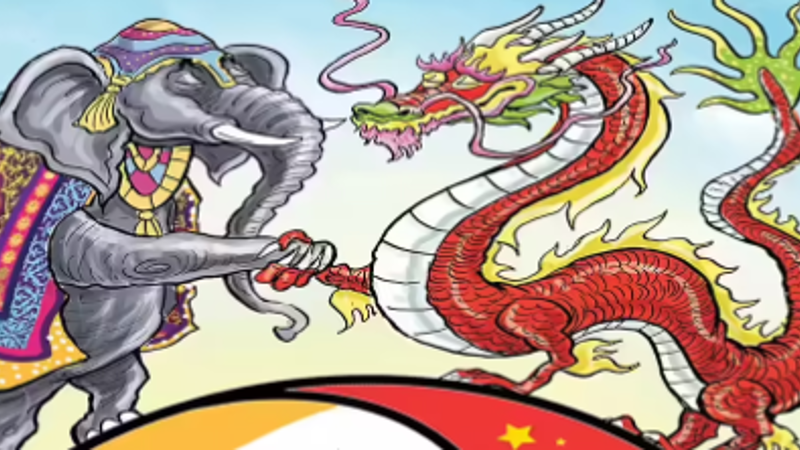
Earlier this year, Chinese President Xi Jinping called for the relationship between the two nations to evolve into a “Dragon-Elephant tango” — a metaphor symbolizing peaceful coexistence and cooperation between the two Asian giants.
Implications for Asia and Beyond:
This emerging détente comes at a time when the United States is increasingly perceived as retreating from its traditional role in Asia. Analysts argue that Trump’s combative trade policies and focus on transactional diplomacy are undermining long-standing alliances and opening space for Beijing to regain influence in the region.
For India, navigating between Washington and Beijing remains a delicate balancing act — but the recent signals suggest a growing desire for strategic autonomy and regional stability.
While fundamental issues remain unresolved — including the disputed Line of Actual Control and trade imbalances — both nations appear to be signaling that engagement, rather than confrontation, is back on the table.
Whether this “Dragon-Elephant tango” leads to lasting peace or a temporary choreography of convenience remains to be seen. But for now, the two giants are back on speaking terms — and the world is watching.