Wednesday, September 23, 2026
Watch Live
UPDATED
FUEL PRICE
21-SEP-2026
PETROL
-1.70 PKR
Rs. 392.05/ltr
DIESEL
-3.12 PKR
Rs. 418.96/ltr
Headlines
11 killed, including pregnant woman, in South Africa party shooting Pakistan develops 'Gender Tracker' to tackle online harassment of women Bahawalpur teen plays 'Breaking Bad', arrested for poisoning father with AI help South Sudan’s President Salva Kiir dissolves government before historic vote Trump’s Board of Peace recovery blueprint sets $2.45B six-month plan to rebuild Gaza Rock world in shock as Rose Tattoo frontman 'Angry Anderson' dies at 79 Massive unexploded 'WW2' bomb found near Falmouth Docks Punjab boards announce Intermediate Part-II results 2026 PM appoints Hamza Farrukh as Pakistan Climate Change Authority chair Pakistan Navy, Coast Guards foil smuggling bid in Pishukan Saudi Arabia marks 96th National Day, highlights close Pakistan-Saudi partnership Pindiz owner warns of PSL exit over Rizwan Trump meets Venezuela’s Delcy Rodriguez on UNGA sidelines Shehbaz meets Bill Gates, reaffirms push to eradicate polio ADB forecasts Pakistan growth at 3.7% for FY2027, warns of middle east risks Prime Minister Shehbaz and DPM Dar ramp up diplomacy at UN General Assembly US F-16 crashes near German air base after training exercise Pakistan foils Afghan infiltration, responds to border fire Field Marshal Asim Munir discusses defence ties with France Nazanin Mandi engaged to Michael Gilroy after fairytale proposal Kevin Jonas melts hearts at Danielle’s 40th birthday celebration Y chromosome loss in men may create hidden pathway for cancer, study finds 11 killed, including pregnant woman, in South Africa party shooting Pakistan develops 'Gender Tracker' to tackle online harassment of women Bahawalpur teen plays 'Breaking Bad', arrested for poisoning father with AI help South Sudan’s President Salva Kiir dissolves government before historic vote Trump’s Board of Peace recovery blueprint sets $2.45B six-month plan to rebuild Gaza Rock world in shock as Rose Tattoo frontman 'Angry Anderson' dies at 79 Massive unexploded 'WW2' bomb found near Falmouth Docks Punjab boards announce Intermediate Part-II results 2026 PM appoints Hamza Farrukh as Pakistan Climate Change Authority chair Pakistan Navy, Coast Guards foil smuggling bid in Pishukan Saudi Arabia marks 96th National Day, highlights close Pakistan-Saudi partnership Pindiz owner warns of PSL exit over Rizwan Trump meets Venezuela’s Delcy Rodriguez on UNGA sidelines Shehbaz meets Bill Gates, reaffirms push to eradicate polio ADB forecasts Pakistan growth at 3.7% for FY2027, warns of middle east risks Prime Minister Shehbaz and DPM Dar ramp up diplomacy at UN General Assembly US F-16 crashes near German air base after training exercise Pakistan foils Afghan infiltration, responds to border fire Field Marshal Asim Munir discusses defence ties with France Nazanin Mandi engaged to Michael Gilroy after fairytale proposal Kevin Jonas melts hearts at Danielle’s 40th birthday celebration Y chromosome loss in men may create hidden pathway for cancer, study finds

Ancient cave discovery reveals multi-drug resistant bacteria

The bacteria were recovered from an ancient ice deposit inside a cave in Romania.

Web Desk February 18, 2026 Add Bol News as a trusted source

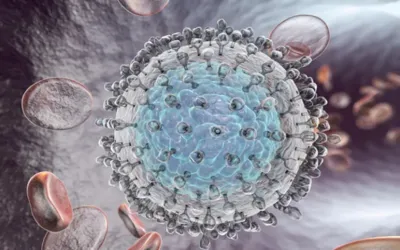
Scientists have discovered bacteria preserved in a 5,000-year-old underground ice layer that show resistance to 10 modern antibiotics currently used in clinical practice, raising new concerns about the growing global antimicrobial resistance (AMR) crisis.

The bacteria were recovered from an ancient ice deposit inside a cave in Romania, highlighting the potential role of melting ice environments in releasing previously trapped microorganisms into modern ecosystems.

Ice caves are known to host diverse communities of microorganisms adapted to extreme cold. Researchers warn that if these frozen environments melt due to climate change, dormant microbes — including antibiotic-resistant strains — could be released.

Such a release could worsen the already escalating global crisis of antibiotic resistance, a phenomenon largely driven by the overuse and misuse of antibiotics in medicine and agriculture.

The bacterium identified in the study, Psychrobacter SC65A.3, was isolated from an ice layer estimated to be approximately 5,000 years old. The microorganism is cold-adapted and capable of surviving in harsh, low-temperature environments.

Experts say certain species within the Psychrobacter genus can cause infections in animals and humans, making the discovery particularly significant.

The strain demonstrated resistance against 10 contemporary antibiotics, underscoring that antibiotic resistance is a natural and ancient phenomenon — not solely a modern development.

According to Dr. Cristina Purcarea, senior scientist at the Institute of Biology Bucharest under the Romanian Academy, the findings present a dual reality.

“If melting ice releases these microorganisms, their resistance genes could potentially be transferred to modern pathogenic bacteria,” she explained. Such gene transfer could intensify the global antibiotic resistance crisis.

However, researchers also believe that studying these ancient microbes may help scientists better understand how resistance genes evolve and spread. This knowledge could contribute to developing new strategies, improved treatments, and more effective antibiotic stewardship policies.

The study further emphasizes that the widespread and often unnecessary use of antibiotics has reduced their effectiveness over time. As bacteria continue to evolve and develop resistance mechanisms, the risk to public health grows.

Researchers stress that responsible antibiotic use, stronger surveillance systems, and continued scientific investigation into resistance mechanisms are essential to containing the threat.

The discovery serves as a reminder that antibiotic resistance predates modern medicine but is being accelerated by human activity. With climate change contributing to glacial and ice melt worldwide, scientists caution that more ancient microbes could emerge in the future.

While the findings raise alarm, experts say they also provide valuable insights that may ultimately help humanity stay ahead in the fight against antimicrobial resistance.


Recommended