ARACHI: Pakistani women have the highest death rate from ischemic heart disease among five South Asian countries, with high blood pressure, diabetes, obesity and physical inactivity increasing their cardiovascular risk, health experts said Monday.
The warning came at a press conference in Karachi marking World Heart Day 2026. A nationwide “Her Heart Matters” campaign in collaboration with the Pakistan Cardiac Society, Society of Obstetricians and Gynaecologists of Pakistan, Pakistan Society of Internal Medicine and Go Red for Women.
The campaign focuses on cardiovascular screening, awareness and education for women and health professionals, with activities planned across Pakistan to promote early detection, timely treatment and healthier lifestyle choices.
Cardiologists, physicians and gynecologists said women’s heart disease remained underdiagnosed because of misconceptions, inadequate screening and insufficient medical follow-up during and after pregnancy.
Prof D. Mansoor Ahmed, professor of cardiology at the Karachi Institute of Heart Diseases, said the belief that women were less likely to develop heart disease had been disproved.
He said women often placed their health behind household responsibilities, while diabetes, high blood pressure, obesity and physical inactivity were increasing their cardiovascular risk.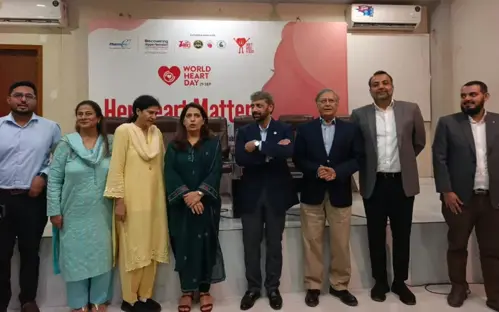
Prof Dr Tazeen Abbas, secretary general of the Society of Obstetricians and Gynecologists of Pakistan, said women’s cardiovascular health required attention during pregnancy, after childbirth and after menopause.
She said some women stopped prescribed medicines during pregnancy or discontinued blood pressure treatment after delivery without consulting their doctors. She advised women to seek medical advice for adjusting medicines rather than stopping treatment on their own.
Abbas also highlighted pregnancy-associated cardiomyopathy, in which the heart muscle becomes weakened during or around pregnancy, as a condition requiring timely diagnosis and treatment.
She said anemia and closely spaced pregnancies could add to health risks and stressed the importance of family planning, adequate birth spacing and continued medical follow-up.
Prof Dr Halima Yasmeen, chairperson and head of department at Jinnah Postgraduate Medical Centre, said heart disease had been detected in about 4% of pregnant women screened at her clinical service.
She said pregnancy provided an opportunity to identify high blood pressure and previously undiagnosed heart disease, adding that women with cardiac conditions required coordinated care from obstetricians, physicians and cardiologists.
Prof. Dr. Shabnam Naveed, head of medicine at JPMC and Jinnah Sindh Medical University, said inadequate screening was a major barrier to preventing cardiovascular disease among women.
She said more than 90% of women attending the JPMC diabetes clinic had cardiovascular risk factors. She noted that the figure represented a high-risk hospital population but also illustrated the close link between diabetes, hypertension, obesity and heart disease.
Eminent Cardiologist Prof Dr Fawad Farooq identified stress as another contributor to cardiovascular disease and encouraged women to incorporate walking and other physical activity into their daily routines.
He said specialized cardiac hospitals were receiving large numbers of patients with heart attacks and chest pain because Pakistan lacked an effective primary and secondary cardiovascular care network.
Farooq also stressed the importance of continuing prescribed medicines after angioplasty, saying some patients stopped treatment within weeks of the procedure, increasing their risk of further complications.
The experts’ concerns are supported by a 2026 study published in JACC: Asia, which compared Pakistan, India, Bangladesh, Nepal and Bhutan using Global Burden of Disease estimates.
The study found that Pakistan had the highest age-standardized death rate from ischemic heart disease among women in the five countries in 2021. It also found that Pakistan was the only country in the study where the ratio of deaths to estimated cases was higher among women than men, at 4.4% compared with 3.1%.
High blood pressure and diets low in vegetables and fiber were identified as leading contributors to heart disease deaths among Pakistani women.