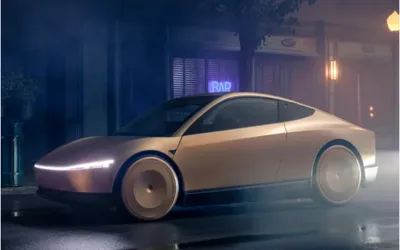
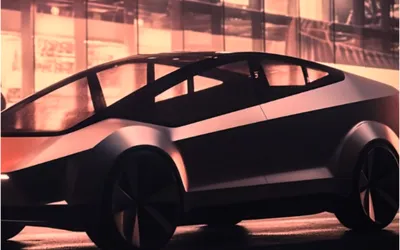
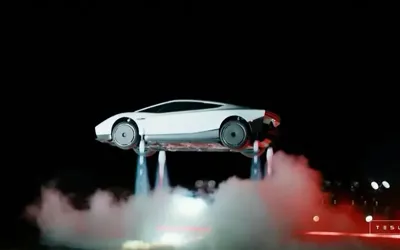
Tesla is reportedly preparing to launch a silver-colored Cybercab equipped with a smaller 40-kilowatt-hour battery pack, adding another version to its upcoming lineup of autonomous vehicles, according to CEO Elon Musk, while the manufacturer plans to halt production of its Cybertruck at its Texas factory.
Musk tweeted that the improvements in efficiency can allow Tesla to produce its Cybercab with a battery pack, which is lower than the 47.6 kWh current battery.
The current Cybercab uses the Tesla 4680 battery cell that has a dry cathode. It reportedly achieves efficiency of more than 6 miles per kilowatt-hour, with the driving distance estimated at around 293 miles.
Meanwhile, Tesla intends to double Cybercab production at the Gigafactory Texas through the addition of a second work shift.
Additionally, the company will extend Cybercab rides outside of Austin this month, aiming to deliver Cybercabs to customers by the end of the year. The reportedly silver model is expected to go on sale in 2027.
Separately, Musk confirmed that Tesla will stop manufacturing the Cybertruck in Texas within about eight months and focus instead on manufacturing the Cybercab.
This might cause problems for many people who reserved a Cybertruck since there might be no cars for them.
According to Musk, Tesla will do everything to manufacture as many cars as possible, but there will be many people from whom the company will have to return money.
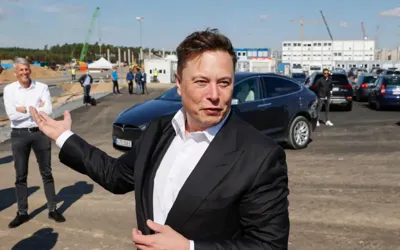
"We will try to make as many as possible before shutting down the line in about 8 months, but will have to return deposits for a lot of people," Musk posted on X.
This change has been controversial among Tesla followers and non-followers on social media, with many wondering whether autonomous robotaxis will be able to satisfy transportation demands outside of urban centers.
Other people suggested that instead of focusing on autonomous vehicles, Tesla should keep working on its existing range of cars.
The move comes amid disappointing sales of Tesla's Cybertruck. Based on the Kelley Blue Book data.
The Cybertruck sales in the United States decreased by 48% to 20,237 units, far from Musk's initial prediction of 250,000 cars annually.
Nevertheless, Musk denied suggestions that the Cybertruck project was inherently unprofitable and viewed the move to close it as a strategic choice to work on autonomous vehicles.