LONDON: Scientists have reported a promising breakthrough in treating epilepsy patients who do not respond to conventional medications, with an experimental gene therapy reducing monthly seizures by more than 90%.
The study, published in The New England Journal of Medicine, examined the effects of the experimental treatment on three adult patients.
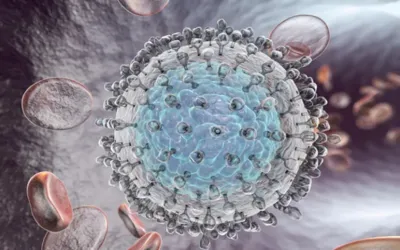
The therapy uses a modified virus to deliver genetic material directly into a specific area of the brain where epileptic seizures originate. The approach aims to reduce abnormal electrical activity in affected nerve cells.
According to the research, the early results suggest that the treatment could offer a new option for people living with drug-resistant epilepsy.
Around 600,000 people in the United Kingdom have epilepsy, with approximately one in three experiencing seizures that cannot be effectively controlled with conventional medication.
Experts say drug-resistant epilepsy can expose patients to serious physical injuries, cognitive decline and an increased risk of premature death.
Medical specialists have described the findings as a promising development in the treatment of neurological disorders. However, they stressed that larger clinical trials and long-term studies are needed to establish the treatment's effectiveness and safety.
The initial findings have raised hopes that gene therapy could eventually provide an alternative for patients who do not benefit from existing epilepsy medications.