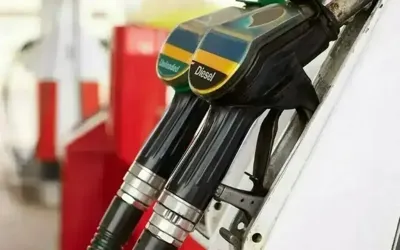
ISLAMABAD: Pakistan's Petroleum Division has told oil refineries to follow a new petrol pricing formula as tensions between Iran and the United States continue to affect fuel supplies.
The division sent letters to the refineries after the cabinet approved the changes on Friday.
Under the new mechanism, the import price of petrol will be set according to the actual import cost of the relevant Pakistan State Oil (PSO) cargo. If that figure is not available for daily pricing, the premium, incidentals and customs duty from the last available cargo may be used.
Refineries will receive an ex-refinery price calculated using the premium, incidentals and customs duty that applied on March 7, 2026, before the conflict began. That arrangement will last 30 days.
The refineries must surrender the difference between the two prices under the Petroleum Levy head of account C03901. The resulting benefit will go to petrol consumers only, through a matching cut in the pump price.
Refineries have been told to deposit the differential levy as specified in notifications from the Oil and Gas Regulatory Authority (OGRA) and the Petroleum Division. They must also send the Petroleum Division and OGRA daily reports of domestic petrol sales, with the supporting documents, for verification and reconciliation.
Fuel costs have been a flashpoint in Pakistan since the regional conflict began. In early April, protests and rallies were held in Karachi, Jacobabad, Hyderabad, Sukkur and other parts of Sindh province against the rise in petroleum prices and inflation.
In Karachi, the party Jamaat-e-Islami also held demonstrations at intersections and public spaces. Opposition parties joined in.
The Pakistan Tehreek-e-Insaf party's secretary general, Salman Akram Raja, called the record fuel price hike "unfair and pro-elite" and urged a "mass revolution" against the government, while Jamaat-e-Islami announced nationwide protests.
Taxes have become a central grievance. In May a notification effective May 9 imposed a petroleum levy of Rs117.41 per litre on petrol and Rs42.60 per litre on high-speed diesel.
Moreover, Supreme Court Bar Association urged the government to roll back the increase.
Protests have continued. On Aug. 16, Jamaat-e-Islami launched fresh protests in Karachi, Lahore, Peshawar and Quetta against the petroleum levy and inflation. Its leader demanded that petrol be cut to Rs225 a litre.
The levy is also a major source of government revenue. Pakistan collected about Rs1.47 trillion in petroleum levy in the 2025-26 fiscal year.