DUBAI: An expanding oil slick off the UAE coast is threatening marine life and forcing beach closures across several northern emirates, with satellite images showing oil spreading toward the shoreline as authorities work to contain the leak.
Images captured by the European Union’s Copernicus Sentinel-2 satellite network on Oct. 24 show the slick widening at sea, with dark patches of oil approaching the coast of Umm Al Quwain.
The UAE said Friday that efforts were underway to contain the leak, while the Ministry of Climate Change and Environment began assessing the potential environmental damage. Authorities have yet to identify the tanker involved or confirm the cause of the spill.
Experts, however, have linked the leak to the Gem No. 2, a tanker that shipping sources said was struck by an unidentified projectile last month. The incident reportedly sparked a fire that was later extinguished.
As the oil spreads, authorities have restricted access to affected coastal areas. The environment ministry temporarily closed all beaches and coastal areas around Umm Al Quwain, while neighboring Sharjah shut Al Hamriyah Beach as a precaution.
Ras Al Khaimah, a popular destination known for its beaches and luxury resorts, also closed all beaches on Saturday until further notice.
The closures reflect growing concern over the spill’s potential impact on the UAE’s marine ecosystem. The country’s Gulf waters support more than 500 fish species, along with dolphins, marine turtles, corals and other aquatic life, according to the International Union for Conservation of Nature.
“The reported oil spill off Umm Al Quwain is a serious environmental concern,” said Nidal Hilal, a professor of engineering and director of New York University Abu Dhabi’s Water Research Center.
He said closing beaches and coastal areas was a prudent step while authorities assess the extent of the spill and track the movement of the oil.
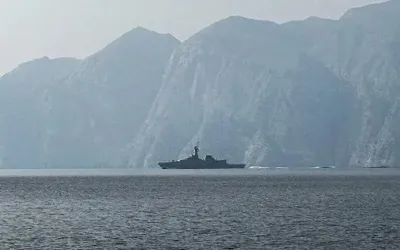
The incident comes amid heightened security risks for commercial shipping in Gulf waters since the start of the U.S.-Israeli war with Iran. Attacks on vessels have raised concerns over maritime safety and the conflict’s potential environmental consequences.
October has been the worst month for attacks on commercial shipping in the Strait of Hormuz and nearby waterways, according to data compiled by the Washington Institute for Near East Policy.