LONDON: The Group of Seven agreed Friday to release up to 100 million barrels of oil and diesel over four months as Middle East disruptions squeeze global fuel supplies and drive prices higher.
The coordinated release, led through the International Energy Agency, will include a substantial amount of diesel within the first 20 days. The G7 also agreed to avoid export restrictions on energy products among member countries and partners.
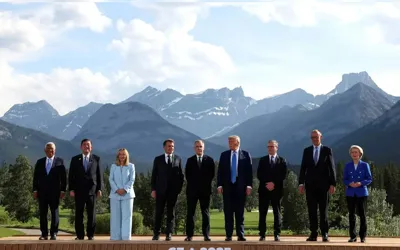
The agreement involves the United States, United Kingdom, Canada, Japan, Germany, Italy and France, with the European Union also participating in G7 meetings.
French President Emmanuel Macron said the release could reach 100 million barrels and would help lower prices for petroleum products, particularly diesel.
"We will implement our commitments with a co-ordinated release through the IEA of 100 million barrels to begin immediately over four months," G7 leaders said in a joint statement, adding that the initial release would include a "frontloaded substantial diesel release."
The decision followed pressure from US President Donald Trump, who had threatened to restrict US diesel exports if European countries did not release more of their own reserves.
Trump had argued that limiting exports could ease pressure on American consumers, while European governments warned that such a move could further tighten supplies in countries dependent on US fuel.
Trump later said an export ban was "never really on the table."
US Treasury Secretary Scott Bessent said American farmers, truck drivers and businesses should not be left to absorb the impact of rising fuel costs.
Diesel is widely used in trucking and agriculture, making it difficult to reduce demand when supplies fall. Higher diesel costs can also increase transportation expenses and put additional pressure on food prices.
UK Foreign Secretary Ed Miliband, who represented Britain at the meeting, said the measures would help stabilize energy supplies, strengthen supply chains and protect households and businesses from price shocks.
The G7 also agreed to coordinate refinery maintenance schedules to prevent several facilities from shutting down at the same time. Members will also encourage countries with spare refining capacity to increase diesel production.
The 100 million barrels will consist of a combination of crude oil and refined diesel. G7 officials have not yet specified which partner countries will contribute reserves or how much each country will release.
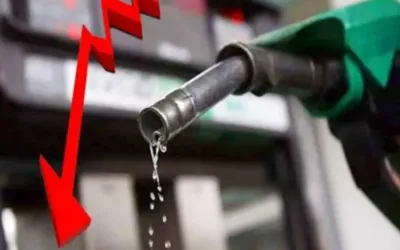
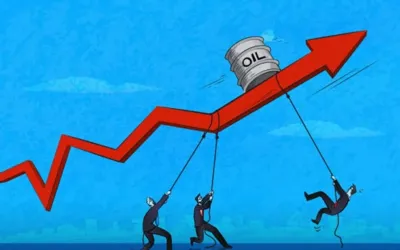
Oil prices remained volatile after the announcement. Brent crude briefly fell below $100 a barrel before climbing back to around $102. The benchmark had been trading near $73 before the US and Israel invaded Iran.
Matt Smith, director of commodities research at Kpler, said oil prices later recovered amid renewed strikes involving Saudi Arabia and the Houthis in Yemen.
The supply squeeze has been particularly significant for countries that depend on imported diesel. In the United Kingdom, diesel prices surpassed £2 a liter for the first time Friday. More than half of the UK's diesel is imported, with 31% of those imports coming from the United States.
The US is one of the world's largest diesel suppliers. According to the US Energy Information Administration, American refineries produce about 4 million to 5 million barrels of diesel and other distillate fuels each day. US consumers use about 3.6 million barrels, leaving roughly 1.2 million to 1.5 million barrels for export.
Global diesel supplies have also been affected by the conflict in the Middle East, which has disrupted the movement of crude oil and refined fuel. Russia, another major producer, has restricted diesel exports after attacks on its refineries by Ukraine.
The G7 said it would continue sanctions against Russia over its war in Ukraine, while the coordinated reserve release is intended to provide additional fuel supplies as global markets face continued uncertainty.