LONDON: Think protein only comes from meat and dairy? A wide range of plant-based foods can deliver plenty of the nutrient, making it easier for vegans to meet their daily needs.
Protein is essential for muscle growth, tissue repair and the production of hormones and other important compounds in the body. While protein requirements differ from person to person, a well-planned vegan diet can provide the nutrient through a variety of everyday foods.
How much protein do adults need?
General dietary guidance cited by BBC Good Food lists average daily protein needs at about 56 grams for adult men and 46 grams for adult women. Those figures are only general guidelines, however, because protein requirements can change depending on age, activity level and other individual factors.
Athletes, pregnant women and people with certain medical conditions may require more protein and should consider their specific nutritional needs when planning their diets.
Legumes are a major protein source
Beans, lentils, chickpeas and peas are among the most accessible sources of plant protein. A cup of cooked lentils provides about 18 grams of protein, while chickpeas and black beans contain around 15 grams per cooked cup.
Edamame is particularly protein-rich, providing about 20 grams per cooked cup.
These foods can also be added to a wide range of meals, making them practical staples for people following a plant-based diet.
Soy foods provide concentrated protein
Soy-based foods are another important part of a vegan diet. Tofu and tempeh are complete protein sources, meaning they contain all nine essential amino acids that the body cannot produce on its own.
One cup of tofu provides about 20 grams of protein, along with nutrients such as calcium, iron, magnesium and zinc.
Tempeh is even more concentrated, providing about 41 grams of protein per cup. Made from fermented soybeans, it also contains probiotics associated with the fermentation process.
Soy milk offers another simple way to add protein, with one cup providing about 8 grams similar to the amount found in a cup of cow's milk.
Seitan, a meat alternative made primarily from wheat gluten, is another high-protein option. A 100-gram serving can provide about 25 grams of protein and can be used in a variety of dishes because of its mild flavor.
People with gluten-related conditions, however, should avoid seitan because it is made from wheat gluten.
Nuts and seeds add more protein
Nuts and seeds can help increase protein intake while also providing healthy fats and other nutrients.
A small handful of almonds contains about 6 grams of protein, while two tablespoons of peanut butter provide about 7 grams. Half a cup of hemp seeds contains about 15.5 grams.
Whole grains also contribute
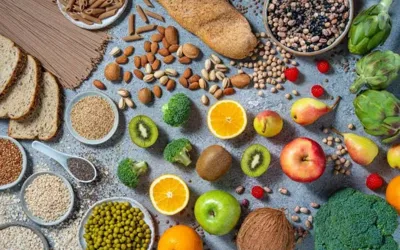
Protein is not limited to beans and soy products. Quinoa, oats, brown rice and whole-wheat pasta can also contribute to daily protein intake.
A cup of cooked quinoa contains about 8 grams of protein, while a cup of cooked whole-wheat pasta provides a similar amount.
Buckwheat and wild rice are additional options, with about 24 grams and 7 grams of protein per cooked cup, respectively, according to the figures cited in the source material.
Vegetables generally provide less protein than legumes, soy products and seeds, but they can still contribute to overall intake.
A cup of artichokes contains about 8 grams of protein, while peas provide about 9 grams per cup. Broccoli contains around 4 grams per cup, and spinach provides about 5 grams.
For vegans, meeting protein needs is less about finding one perfect food and more about eating a varied diet. Legumes, soy products, nuts, seeds, whole grains and vegetables can all contribute to daily protein intake.
A balanced plant-based diet that includes a variety of these foods can provide protein while also supplying fiber, vitamins, minerals and other nutrients.