WASHINGTON: Global technology giants Tesla and Samsung have opposed potential new US tariffs on Vietnamese goods, warning that additional duties could disrupt supply chains, increase manufacturing costs and affect businesses serving American consumers.
The companies submitted their objections to the US Trade Representative (USTR) as the Trump administration moves toward a Nov. 29 deadline to complete an investigation into Vietnam's alleged intellectual property violations under Section 301 of the Trade Act.
The investigation, launched in May, focuses on concerns over Vietnam's protection and enforcement of intellectual property rights. Washington has designated Vietnam a "priority foreign country," making it the first jurisdiction in 13 years to be placed in the most serious category of the US intellectual property watchlist.
According to Reuters, the US has accused Vietnam of persistently failing to address longstanding concerns over intellectual property protection and enforcement.
A separate US investigation into alleged excessive manufacturing capacity in Vietnam is also underway, while Hanoi has urged Washington to ensure its investigations are conducted objectively.
It remains unclear whether any additional tariffs linked to intellectual property violations would apply across all Vietnamese imports or target specific industries.
The United States currently imposes a general 12.5% tariff on Vietnamese goods, introduced in July following an investigation into alleged failures to prevent imports of products made using forced labour.
Vietnam previously faced 20% tariffs following President Donald Trump's "Liberation Day" trade announcement, but those duties were subsequently struck down by the U.S. Supreme Court.
Economists have suggested that the Trump administration could seek to restore at least the same level of tariffs that were overturned by the court.
Tesla raises concerns over manufacturing dependence
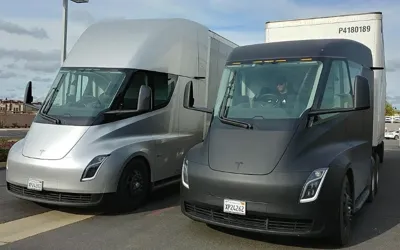
In its submission to the USTR, Tesla said certain advanced components and precision manufacturing equipment essential to its US operations could not be sourced domestically in sufficient quantities.
The company warned that Vietnamese manufacturing facilities played an important role in maintaining its supply chains.
Samsung highlights Vietnam's manufacturing role
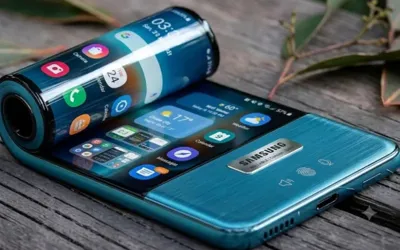
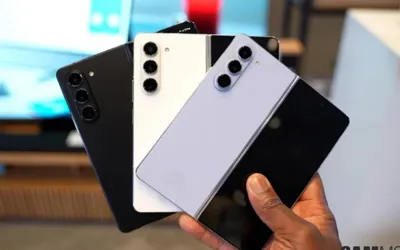
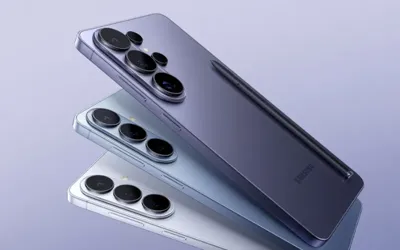
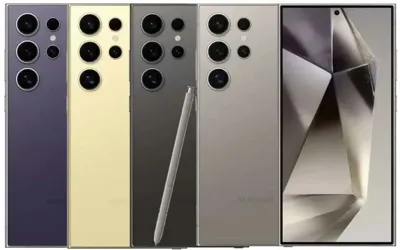
Samsung's US subsidiary also opposed additional tariffs, highlighting Vietnam's importance as a major manufacturing and export base for smartphones, consumer electronics and network equipment supplied to American consumers.
Samsung is Vietnam's largest foreign investor, having invested approximately $25 billion in the country.
Several major technology companies, retailers and apparel groups have also opposed additional duties, warning that higher tariffs could increase costs and disrupt trade.
However, some U.S. domestic industries, including steel, timber, solar energy and seafood producers, have supported protective trade measures to shield local businesses from foreign competition.