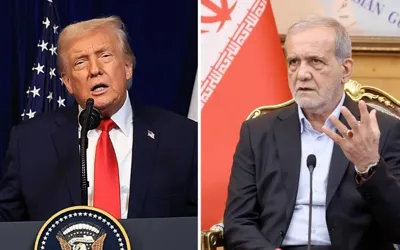
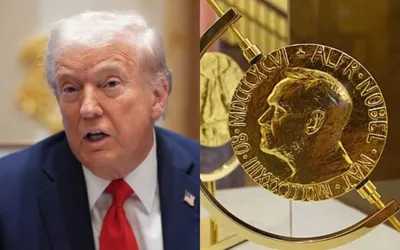
WASHINGTON / TEHRAN: Amid heightened tensions and fragile diplomatic exchanges, US President Donald Trump has maintained a firm stance that any potential peace agreement with Iran will only be accepted if it fully aligns with Washington’s conditions.
Negotiations over a possible settlement continue to remain uncertain and deeply contested.
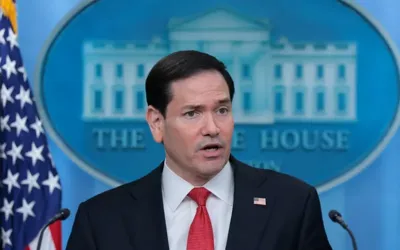
According to a White House official speaking to AFP, President Trump will not proceed with any deal unless Iran agrees to meet what he described as America’s “core red lines.” The official stressed that preventing Iran from acquiring nuclear weapons remains a non-negotiable priority for the United States.
The statement comes as diplomatic efforts between Washington and Tehran remain in flux, with earlier signals from the White House suggesting that a decision on a possible framework was nearing.
However, Iranian officials continue to insist that no final agreement has been reached regarding the wider Middle East conflict.
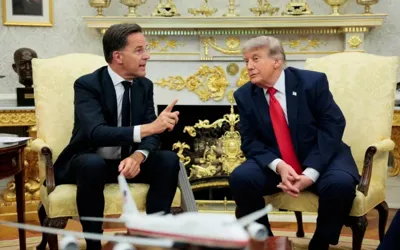
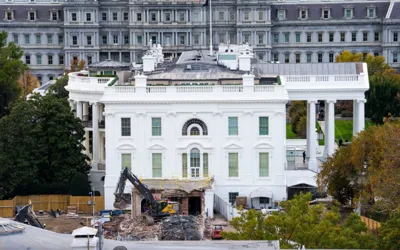
Trump recently chaired a high-level two-hour meeting in the White House Situation Room, where senior officials reviewed ongoing negotiations, regional security developments, and potential outcomes of the proposed diplomatic framework. Despite intense discussions, no final decision was announced following the meeting.
Read More: US, Iran near ceasefire extension pending Trump approval: report
A White House official reiterated afterward that any agreement must be “fully consistent with US national security interests,” reinforcing Washington’s insistence on strict conditions, including Iran’s complete rejection of nuclear weapons capability.
In parallel, Iran has pushed back strongly against US positions, with Foreign Ministry spokesperson Esmaeil Baqaei stating that the Islamic Republic “has long abandoned the language of imposed demands,” signaling Tehran’s rejection of unilateral pressure in negotiations.
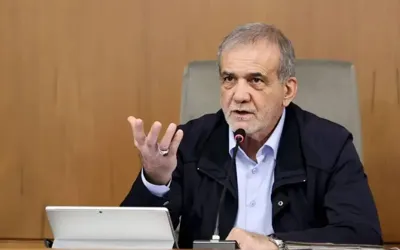
Iranian President Masoud Pezeshkian, in a phone call with the Emir of Qatar, expressed Tehran’s readiness to pursue what he described as a “dignified framework” for ending the conflict, according to Iran’s state news agency IRNA. However, Iranian officials maintain that discussions remain ongoing without any finalized outcome.
Further complicating the diplomatic landscape, Trump has publicly outlined elements of a potential agreement on social media, including demands for the removal of mines from the Strait of Hormuz, reopening of key shipping routes, and coordination on Iran’s enriched uranium stockpile. He also stated that no financial transactions would take place “until further notice.”
These claims were met with immediate pushback from Iranian media. The semi-official Fars News Agency reported that Tehran is instead demanding the immediate release of $12 billion in frozen assets before moving forward with any next phase of negotiations.
Iranian sources also rejected claims regarding uranium destruction and shipping clauses, describing them as inaccurate or unverified.
Meanwhile, Iranian officials have further stated that no active negotiations are currently underway on the nuclear file, with Tehran accusing Washington of delaying progress through its negotiating posture. Iranian messaging channels continue to emphasize that all discussions remain conditional and unresolved.
On the ground, public sentiment remains cautious and divided. Residents in northern Iran voiced skepticism over the diplomatic process, with many suggesting that both sides are shaping narratives for domestic audiences rather than moving toward a clear breakthrough.
Energy markets have reacted sharply to the uncertainty, with oil prices fluctuating as investors assess the likelihood of any agreement that could restore stability to shipping routes through the Strait of Hormuz, a critical artery for global energy supply.
Washington and Tehran have also traded accusations in recent days over alleged violations in and around the strategic waterway, including reported US strikes on Iran’s southern port of Bandar Abbas and subsequent Iranian responses.
Iranian state media reported that 24 vessels transited the Strait of Hormuz within 24 hours under coordination with Iranian authorities, while simultaneously warning that ships from “hostile countries” could face retaliatory measures.
Elsewhere in the region, the conflict involving Israel and Hezbollah has further intensified. Israeli Prime Minister Benjamin Netanyahu stated that Israeli forces have expanded operations deeper into southern Lebanon, while Hezbollah claimed responsibility for drone strikes targeting Israeli military positions, including troop concentrations and barracks in northern areas.
The developments come as military delegations from Israel and Lebanon reportedly held security discussions in Washington, which US officials described as “constructive,” despite continued cross-border violence and heavy Israeli bombardment in southern Lebanon.
According to Lebanon’s health ministry, at least 11 people, including a rescue worker, were killed in recent strikes, underscoring the ongoing humanitarian toll of the conflict.
A ceasefire agreement previously expected to take effect in April has yet to be implemented, with both sides accusing each other of repeated violations.
As multiple fronts remain active from stalled diplomacy between Washington and Tehran to escalating violence in Lebanon the broader Middle East continues to face a complex and rapidly evolving security environment, with no immediate signs of de-escalation.