WASHINGTON/BEIRUT: Israel and Lebanon have agreed to extend their existing ceasefire by 45 days and resume high-level negotiations aimed at reaching a broader political settlement.
The United States announced this on Friday, May 15, describing it as a diplomatic breakthrough intended to ease escalating tensions along the Israel-Lebanon border.
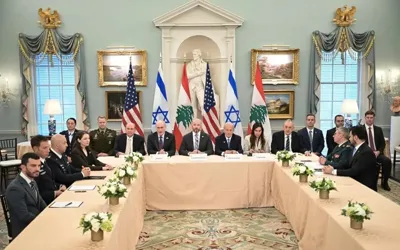
The agreement was reached after two days of U.S.-facilitated talks in Washington, where delegations from both countries agreed to prolong the truce, which was set to expire on Sunday. The extension is intended to create space for continued diplomatic engagement and progress toward long-term regional stability.
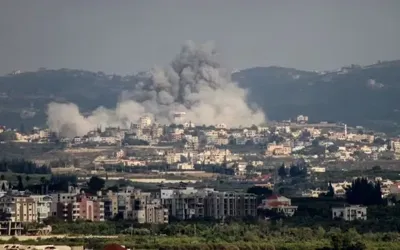
According to the U.S. State Department, the ceasefire extension is part of a wider framework designed to prevent renewed escalation in southern Lebanon, where cross-border tensions remain high amid ongoing hostilities involving Hezbollah and Israeli forces.
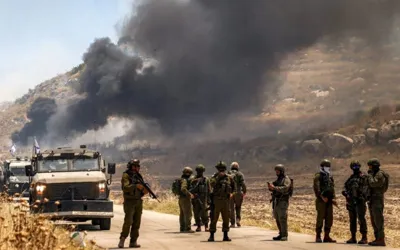
Despite the agreement, Israel has continued military strikes in Lebanon, stating that its operations are not bound by the ceasefire when targeting Hezbollah positions. The Iran-backed group remains a central actor in the conflict but is not directly part of the ongoing negotiations.
U.S. State Department spokesperson Tommy Pigott confirmed the extension, saying the “April 16 cessation of hostilities will be extended by 45 days to enable further progress,” and described the Washington talks as “highly productive.”
He added that the United States will host a new round of political negotiations on June 2 and 3, while a separate security and military track will be held at the Pentagon on May 29, bringing together delegations from both countries’ armed forces.
The diplomatic engagement marks one of the most significant direct negotiation efforts between Israel and Lebanon in decades, as Washington seeks to prevent the conflict from expanding further amid wider regional instability.
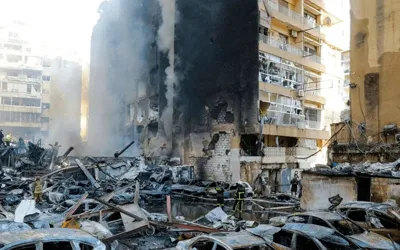
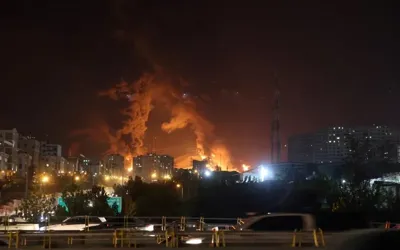
The escalation in hostilities began after Hezbollah launched missile attacks on Israel, prompting Israeli airstrikes and a ground offensive in southern Lebanon. The violence has led to widespread displacement, with an estimated 1.2 million people forced to flee their homes at the height of the conflict.
The latest ceasefire framework comes amid broader regional tensions linked to the ongoing geopolitical confrontation involving Iran, a key supporter of Hezbollah. Tehran has repeatedly called for a lasting ceasefire in Lebanon as part of any wider regional settlement.
Lebanon’s delegation, which attended the Washington talks despite objections from Hezbollah, has prioritized ending hostilities and transitioning the ceasefire into a long-term peace arrangement. Lebanese officials described the extension and upcoming security dialogue as a crucial opportunity to strengthen state institutions and restore stability.
Disarmament of Hezbollah
Israel, meanwhile, has maintained that any durable agreement must include the disarmament of Hezbollah, arguing that the group continues to pose a serious security threat along its northern border.
Israeli Ambassador to Washington Yechiel Leiter, who led Israel’s delegation, described the talks as “frank and constructive,” while acknowledging that challenges remain.
“There will be ups and downs, but the potential for success is great,” he said, adding that Israel’s security concerns will remain central throughout the negotiations.
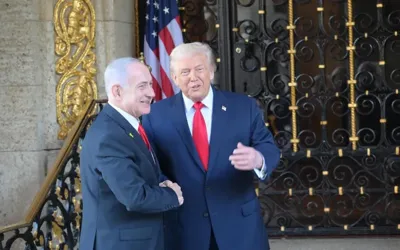
The United States, while reaffirming strong support for Israel, has also expressed concern over continued military activity in southern Lebanon. Officials said the ultimate goal of the negotiations is to achieve lasting peace, mutual recognition of sovereignty, and secure borders between the two countries.
With further meetings scheduled in the coming weeks, diplomatic efforts are expected to continue, although analysts warn that the situation on the ground remains fragile and vulnerable to renewed escalation.