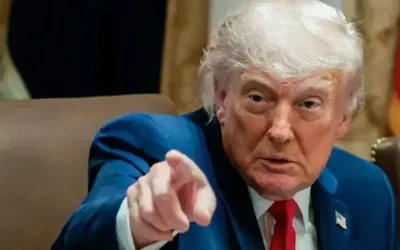
NEW YORK: President Donald Trump plans to meet with Gulf leaders on the sidelines of the United Nations General Assembly next Tuesday to discuss the next steps in the war with Iran, Axios reported Thursday.
The meeting is expected to include leaders from the six Gulf Cooperation Council states,Saudi Arabia, the United Arab Emirates, Qatar, Bahrain, Kuwait and Oman, though the guest list could expand to include other Arab and Muslim leaders, according to the report. The State Department sent initial invitations Wednesday, Axios said, citing unnamed people familiar with the matter.
The discussions will focus on U.S. proposals for a postwar strategy, Axios reported. Trump and his senior team are working on a day-after plan that is not expected to be finalized until after the U.S. midterm elections in November.
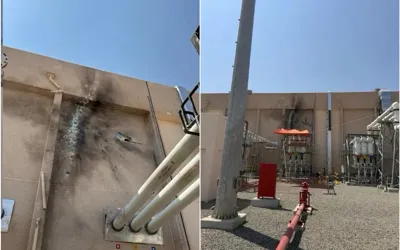
The diplomatic push comes as Washington's efforts to resume ceasefire talks appear to have stalled. Gulf states have absorbed escalating attacks from Iran and Iran-aligned Houthi militants in recent days, disrupting energy exports and rattling oil markets.
Israeli Prime Minister Benjamin Netanyahu also wants to meet with Trump in New York, though no meeting has been scheduled, according to the report, which cited an Israeli source.
Trump claimed Wednesday that Iran has reached out directly to Washington and wants to make a deal, describing the state of the war as nearing its end.
"They want to make a deal, and we'll see how that works out," he told reporters upon landing in North Carolina.
Gulf states are facing mounting economic costs from the conflict. Saudi Arabia shut its East-West Pipeline, a strategically vital network that transports crude oil from the kingdom's eastern coast to the port of Yanbu on the Red Sea, following damage from a drone attack.
Crude prices pared earlier gains Wednesday after Saudi Arabia reportedly arranged additional shipments through Oman's Sohar port via ship-to-ship transfers, easing fears of a prolonged supply gap. Brent crude eased to $105.8 a barrel, while West Texas Intermediate dropped 0.22% to $102.14.
On Wednesday, U.N. Secretary-General António Guterres repeated calls for de-escalation in the region, urging diplomacy and the restoration of freedom of navigation in the Strait of Hormuz.
It remains unclear what Washington would require of Gulf states or Iran under its postwar arrangement.
Iran could be open to negotiating after the U.S. midterms, but continued reluctance to engage diplomatically risks prolonging the conflict, said Michael Feller, chief strategist at Geopolitical Strategy.
"Iran may be willing to do a deal after the midterms. If not, the war may continue until late 2028, if not beyond," Feller said.
One source of relief would be repairs to the East-West Pipeline, he said, though export-terminal stockpiles will run out unless the line is restored within days.