WASHINGTON/PARIS/BERLIN: A growing number of countries are urging their citizens to stockpile emergency food, drinking water, medicines and other essential supplies amid rising geopolitical tensions, fears of war and climate change-related risks.
According to a report published by the New York Sun, 33 countries have issued emergency preparedness guidelines advising citizens to keep essential supplies at home to cope with potential crises.
The advisories have raised questions about whether the world is heading toward a major global crisis or even the possibility of a third world war.
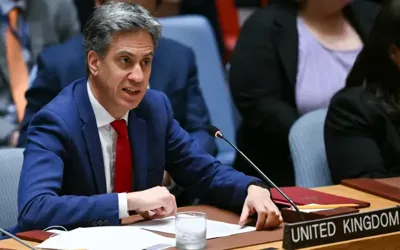
France and the United Kingdom have advised citizens to maintain at least 72 hours’ worth of essential supplies, including food, water and medicines.
Canada, Japan, Mexico and the Netherlands have also urged residents to keep a three-day emergency stockpile of drinking water, nonperishable food and essential medicines.
Sweden and Norway have advised citizens to maintain supplies sufficient for at least one week, while Germany has recommended stockpiling essential goods to meet household needs for up to 10 days.
In the United States, citizens have been encouraged to keep several days’ worth of emergency supplies, while the European Union has activated a comprehensive emergency preparedness strategy for the region.
Experts say the advisories are driven by a range of risks, including ongoing regional conflicts, growing concerns over nuclear confrontation, cyberattacks that could disrupt electricity and water supplies, and increasingly unpredictable natural disasters.
Governments want citizens to be able to meet their basic needs independently during the initial days of a major international crisis or disruption to critical infrastructure.
The preparedness measures are aimed at helping households remain self-sufficient until emergency services and government assistance become available.