Wednesday, September 23, 2026
Watch Live
UPDATED
FUEL PRICE
21-SEP-2026
PETROL
-1.70 PKR
Rs. 392.05/ltr
DIESEL
-3.12 PKR
Rs. 418.96/ltr
Headlines
Rock world in shock as Rose Tattoo frontman 'Angry Anderson' dies at 79 Massive unexploded 'WW2' bomb found near Falmouth Docks Punjab boards announce Intermediate Part-II results 2026 PM appoints Hamza Farrukh as Pakistan Climate Change Authority chair Pakistan Navy, Coast Guards foil smuggling bid in Pishukan Saudi Arabia marks 96th National Day, highlights close Pakistan-Saudi partnership Pindiz owner warns of PSL exit over Rizwan Trump meets Venezuela’s Delcy Rodriguez on UNGA sidelines Shehbaz meets Bill Gates, reaffirms push to eradicate polio ADB forecasts Pakistan growth at 3.7% for FY2027, warns of middle east risks Prime Minister Shehbaz and DPM Dar ramp up diplomacy at UN General Assembly US F-16 crashes near German air base after training exercise Pakistan foils Afghan infiltration, responds to border fire Field Marshal Asim Munir discusses defence ties with France Nazanin Mandi engaged to Michael Gilroy after fairytale proposal Kevin Jonas melts hearts at Danielle’s 40th birthday celebration Y chromosome loss in men may create hidden pathway for cancer, study finds Snapchat turns chat messages into songs with new AI tools for Lens+ users Rock world in shock as Rose Tattoo frontman 'Angry Anderson' dies at 79 Massive unexploded 'WW2' bomb found near Falmouth Docks Punjab boards announce Intermediate Part-II results 2026 PM appoints Hamza Farrukh as Pakistan Climate Change Authority chair Pakistan Navy, Coast Guards foil smuggling bid in Pishukan Saudi Arabia marks 96th National Day, highlights close Pakistan-Saudi partnership Pindiz owner warns of PSL exit over Rizwan Trump meets Venezuela’s Delcy Rodriguez on UNGA sidelines Shehbaz meets Bill Gates, reaffirms push to eradicate polio ADB forecasts Pakistan growth at 3.7% for FY2027, warns of middle east risks Prime Minister Shehbaz and DPM Dar ramp up diplomacy at UN General Assembly US F-16 crashes near German air base after training exercise Pakistan foils Afghan infiltration, responds to border fire Field Marshal Asim Munir discusses defence ties with France Nazanin Mandi engaged to Michael Gilroy after fairytale proposal Kevin Jonas melts hearts at Danielle’s 40th birthday celebration Y chromosome loss in men may create hidden pathway for cancer, study finds Snapchat turns chat messages into songs with new AI tools for Lens+ users

New nanomaterial could revolutionize cancer therapy, study finds

The team plans to further evaluate the nanomaterial against multiple cancer types.

Web Desk January 29, 2026 Add Bol News as a trusted source

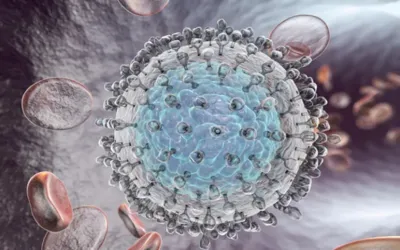
Oregon, US: Researchers at Oregon State University (OSU) have made a major breakthrough in cancer therapy with the development of a new nanomaterial that can selectively kill cancer cells while sparing healthy tissues.

Led by Oleh and Olena Taratula and Chao Wang from the OSU College of Pharmacy, the study—published this week in Advanced Functional Materials—introduces a nanomaterial that triggers two chemical reactions inside cancer cells.

These reactions generate reactive oxygen species (ROS), inducing oxidative stress that destroys malignant cells.

Unlike conventional chemodynamic therapy (CDT), which typically produces either hydroxyl radicals or singlet oxygen and often lacks sufficient catalytic activity, the new nanomaterial can generate both ROS types simultaneously, significantly enhancing therapeutic efficiency.

“Compared to healthy tissues, malignant tumors are more acidic and have higher hydrogen peroxide concentrations,” the researchers explained. “Our nanoagent takes advantage of this unique tumor microenvironment to completely eradicate cancer cells.”

In preclinical tests on mice implanted with human breast cancer cells, the nanomaterial accumulated efficiently in tumors, generated robust ROS, and led to total tumor regression without causing systemic toxicity. Researchers also observed long-term prevention of cancer recurrence, highlighting the treatment’s potential durability.

The team plans to further evaluate the nanomaterial against multiple cancer types, including aggressive pancreatic cancer, to confirm its broad applicability across various malignancies before human clinical trials.

This discovery marks a significant step forward in safer and more effective cancer treatment, potentially transforming the future of chemodynamic therapy.




Recommended