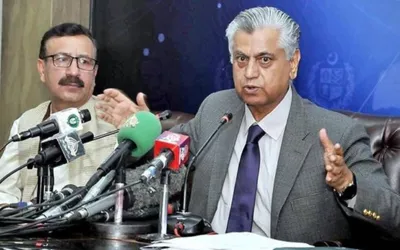
Pakistan’s newly launched National Artificial Intelligence (AI) Policy could add 7–12% to the country’s GDP by 2030 and create nearly one million jobs, according to Dr. Anil Salman, Chair of the government’s AI Policy Committee.
Policy Vision and Scope:
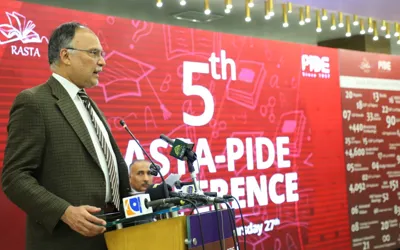
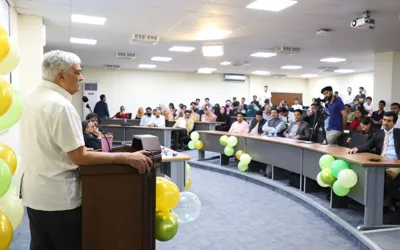
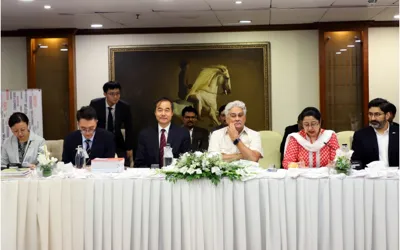
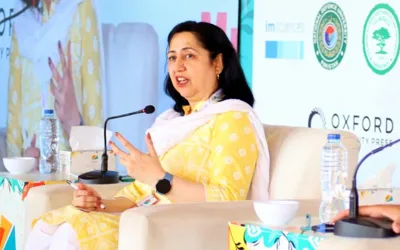
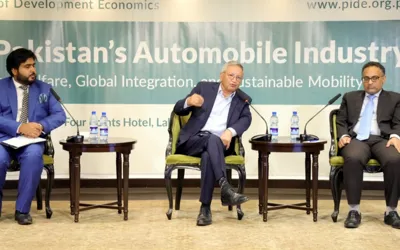
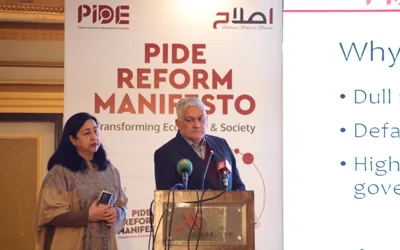
Speaking at a seminar organized by the Pakistan Institute of Development Economics (PIDE), Dr. Salman described the policy as bold, ethical, and transformative. He said the policy aims to drive economic, social, and technological growth with an inclusive vision.The discussion, titled “Bridging Gaps in Pakistan’s AI Roadmap: Opportunities, Challenges, and the Way Forward”, brought together policymakers, industry leaders, and academics. Along with Dr. Salman, the panel included Dr. Najibullah from the Planning Commission, Techvention CEO Suniya Shahid, and Atomcamp CEO Dr. Naveed Iftikhar (via Zoom).
Financing and Opportunities:
Dr. Najibullah stressed the need for a strong financial ecosystem, announcing a Rs. 2 billion Public Venture Capital Fund to support startups. He highlighted opportunities in agriculture, health, and education, but pointed to challenges like poor data infrastructure, weak payment systems, and cybersecurity risks.Industry Perspective:
Industry expert Suniya Shahid called for AI adoption in healthcare, ethical audits, funding for women-led startups, and retraining programs for workers. She also warned that without local data, Pakistan will face major hurdles in applying AI.Bridging Policy and Practice:
Joining remotely, Dr. Naveed Iftikhar highlighted the gap between policy and actual adoption. He said Pakistan must speed up AI integration in government offices, universities, and industries, and focus on upskilling civil servants and academics. Partnerships with Saudi Arabia, China, and global data centers, he added, could help overcome infrastructure limitations.Measuring Success:
PIDE’s Dr. Nasir Iqbal emphasized that the policy should be judged by its impact on productivity, inclusivity, and competitiveness. He cautioned that if not managed well, AI could increase inequality or encourage monopolies. To ensure growth at the grassroots level, he suggested reforms such as faster business registration and the creation of village economic zones to empower rural communities.The seminar ended with the agreement that Pakistan’s AI policy has set the right direction. However, its success will depend on a long-term commitment and close cooperation among the government, industry, academia, and international partners.
[embedpost slug="pakistan-likely-to-receive-1-2-billion-as-imf-review-progresses/"]