KARACHI: Pakistan’s central bank is widely expected to keep its benchmark interest rate unchanged at its upcoming policy meeting this month, though rising oil prices and surging electricity costs are fueling fresh inflationary pressures that could force a rate hike later in the year.
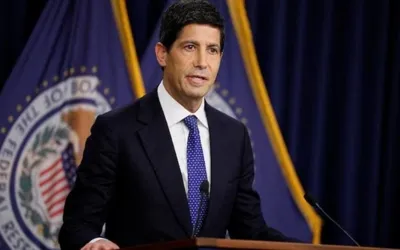
The State Bank of Pakistan is set to convene its sixth Monetary Policy Committee meeting of 2026 on Sept. 14. Analysts and market participants overwhelmingly anticipate the committee will hold the policy rate at 11.5%, according to a poll conducted by Topline Securities.
The survey found that 84% of respondents expect no change to the rate, while 14% forecast a 50-basis-point increase and 2% see a 100-basis-point hike.
The central bank last kept rates steady at its July 27 meeting, in line with market expectations. Since then, the outlook for inflation has darkened, largely due to volatility in global energy markets.
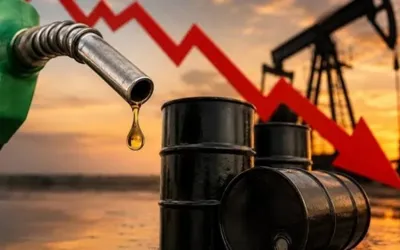
Elevated geopolitical tensions between the United States and Iran have injected fresh uncertainty into crude prices, which currently hover near $95 a barrel. Domestic petrol prices have climbed by 24 rupees per liter since the previous policy meeting, while diesel prices have declined only marginally despite caps on refining margins.
“Market participants’ expectations are largely driven by annual inflation projections, which at current oil prices remain below 9% for fiscal year 2027, suggesting a positive real spread of over 250 basis points, in line with historic real rates,” the research firm said in a note.
Still, the near-term inflation picture appears more concerning. In September, consumer prices are expected to hit double-digit levels, driven by an estimated 10% month-on-month jump in electricity bills. That increase stems from positive fuel cost adjustments and quarterly tariff revisions. Petrol price spikes over the past two days have also pushed transport inflation projections to 3.3% month-on-month, far above earlier estimates of 0.15%.
Analysts expect average inflation for fiscal year 2027 to remain above 8.5%, up from its previous forecast of 8.0% to 8.5%, assuming oil stays within a range of $90 to $95 per barrel.
On the currency front, most respondents expect the Pakistani rupee to remain stable through March 2027. About 33% see the dollar trading between 280 and 285 rupees, while 24% forecast a range of 285 to 290 rupees. Another 43% expect the rupee to hold between 275 and 280 rupees. No participants projected the currency to weaken beyond 290 rupees per dollar.
The persistent oil prices above $95 a barrel and sticky food inflation could prompt the central bank to raise rates by 50 to 100 basis points in the October or December meetings.