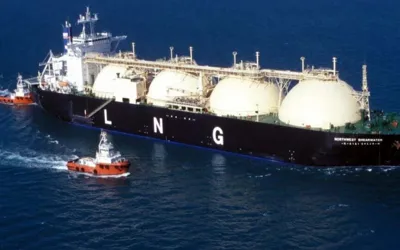
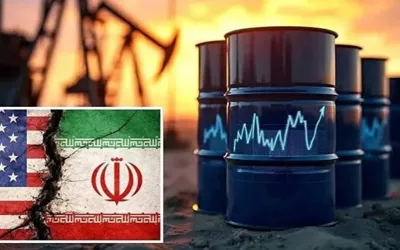
KARACHI: Pakistan LNG Limited has issued a fresh tender for an emergency spot purchase of liquefied natural gas, as the country scrambles to meet peak summer power demand following supply disruptions triggered by the Iran war and a force majeure declaration by Qatar.
The state-owned company, which is mandated by the Government of Pakistan to procure LNG, invited bids from international suppliers for one cargo of 140,000 cubic meters, to be delivered on a Delivered Ex-Ship basis at Port Qasim, Karachi, between June 21 and 22. The deadline for bid submission is June 19.
The tender is the latest in a series of accelerated short-term procurements Pakistan has turned to since the Iran conflict disrupted regional energy supplies and drove up the cost of spot-market purchases.
Before the war, Pakistan had been reducing its dependence on LNG, but the fuel remains essential for powering the national grid through the summer months when electricity demand peaks.
Pakistan imports nearly all of its oil, much of it through the Strait of Hormuz, leaving the country exposed to supply shocks even as officials sought in recent years to diversify the country's energy mix.
Reopening the Strait Will Take Time
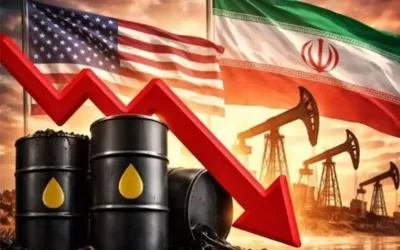
A tentative agreement to end hostilities in Iran and reopen the Strait of Hormuz has offered some relief to global energy markets, with oil prices falling on Monday. But analysts and shipping industry officials caution that a return to normal supply flows through the world's most critical energy chokepoint will be gradual at best.
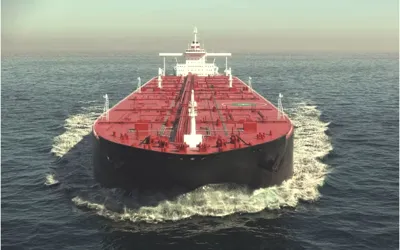
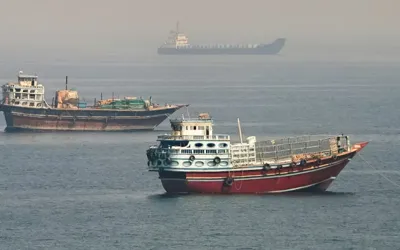
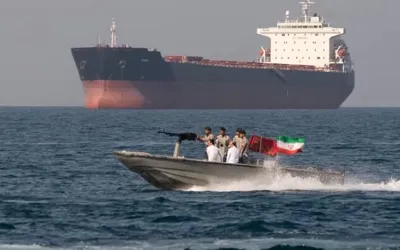
Before the war, the strait carried approximately one-fifth of the world's crude oil exports. Now, hundreds of commercial vessels remain delayed or backed up in the Persian Gulf, and the narrow geography of the waterway means ships must pass through largely one at a time, a bottleneck that could take weeks to clear.
Shipping companies are moving cautiously. Many operators are waiting for clearer proof that security conditions are genuinely stable before sending vessels back through the area.
Concerns persist about mines, naval incidents and the potential for renewed hostilities, factors that are keeping both insurers and crews reluctant to return immediately.
War-risk insurance premiums have risen sharply, and legal uncertainty about possible transit fees or new enforcement rules is adding a further financial barrier for carriers.
Ports, exporters and supply chains across the Gulf region must also restart coordinated operations before oil and cargo flows can normalize, a process that adds further delay even after ships begin moving again.
"Reopening the strait is only the first step," one analyst said. "Physical congestion, financial caution and lingering security concerns mean the return to normal global shipping will be gradual rather than immediate."
For Pakistan, the convergence of Qatar's force majeure, elevated spot LNG prices and the uncertain reopening of the Strait of Hormuz has created a costly bind. Officials have been forced to either pay premium prices on the spot market or seek alternative fuels to fill the gap, options that strain the country's foreign exchange reserves and raise electricity generation costs for consumers already burdened by high tariffs.