HOUSTON: Oil prices rose more than 2% on Friday, with Brent crude settling at its highest level since late April, as an attack on a tanker in the Strait of Hormuz heightened concerns over disruptions to global energy supplies amid the ongoing conflict involving Iran.
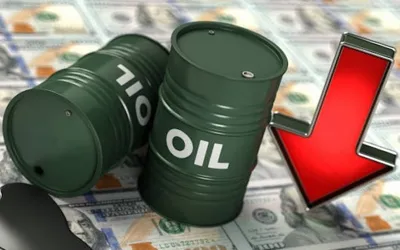
Brent crude futures for December delivery, which expired Friday, gained $2.76, or 2.4%, to settle at $117.64 a barrel after touching $118. The more actively traded January contract rose $2.63 to $113.43.
U.S. West Texas Intermediate crude advanced $2.12, or 2.08%, to close at $104.12 a barrel. For October, Brent gained 13.6%, while WTI rose 15.2%.
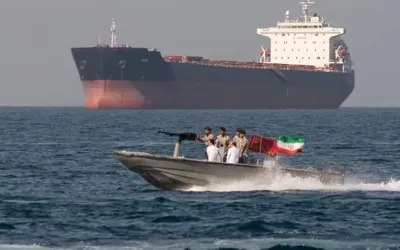
The latest market concerns followed an attack on a tanker in the Strait of Hormuz, where explosive devices were attached to the vessel's hull by a small boat, according to the United Kingdom Maritime Trade Operations (UKMTO). The group responsible for the attack was not immediately identified.
Maritime sources described the incident as the first known successful attack using limpet mines in the waterway since the U.S.-Israeli war with Iran began in February. The strait is a major shipping route for crude oil and fuel exports from the Gulf, making any disruption a concern for global energy markets.
"Traders will remain focused on oil flows out of the Middle East and the likely escalation by US and allied forces," said Dennis Kissler, senior vice president of trading at BOK Financial.
The security situation has also drawn attention to Saudi Arabia's energy infrastructure. Yemen's Iran-aligned Houthi group said Thursday it had targeted several sites in the kingdom, including the Ras Tanura and Rabigh refineries and a production facility in Abqaiq operated by Saudi Aramco. A Saudi-led coalition said it intercepted a cruise missile launched toward the kingdom's western region.
The United States ordered non-emergency government employees and their families to leave Saudi Arabia effective Oct. 23, citing security risks linked to attacks on civilian airports and critical infrastructure.
Meanwhile, diplomatic efforts to ease the conflict continued. Qatari mediators returned to Tehran on Friday as part of coordinated efforts to reach an agreement between Washington and Tehran.
U.S. President Donald Trump said Vice President JD Vance had contacted Iran over the provision of medical supplies. Iran's semi-official Tasnim news agency reported that Tehran had received a letter from Vance but had not responded. The report added that Iran wants Washington to meet its conditions before negotiations can move forward.
Oil markets could remain volatile in the coming weeks as traders assess the possibility of further military escalation and the impact of political developments, including the Nov. 3 U.S. midterm elections.
A Saxo Bank briefing said crude could trade between $70 and $90 a barrel even after the conflict ends, compared with its prewar range of $60 to $70.
On the supply side, Saudi Arabia's crude exports increased in October from September, according to two of three ship-tracking companies, despite the regional security concerns.
In Libya, the National Oil Corporation said an armed group shut a valve on the main Hamada crude oil pipeline on Friday, halting the flow of about 15,000 barrels per day to the Zawiya refinery.