KARACHI: Pakistan now has over 7.2 million tax filers, up from 4.5 million just a year ago. The government has presented this as progress. In a country of 240 million people, it is not enough. Over 96 percent of Pakistanis still do not file taxes.
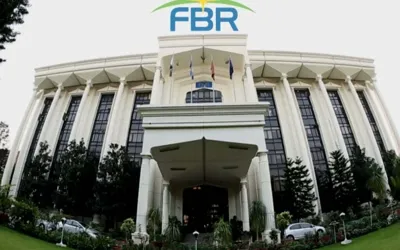
The tax to GDP ratio, even at its highest level in 25 years at around 10 percent, remains below the 25th percentile of comparable economies world-wide according to the IMF. And the FBR is already facing an Rs. 868 billion revenue shortfall this year. The numbers make one thing clear: enforcement alone cannot solve this.
The burden of that shortfall continues to fall on the same people. Salaried workers, the most transparent and compliant income group in the country, paid nearly Rs. 555 billion in taxes in FY2025 —almost twice the combined contribution of the entire retail and real estate sector. Budget after budget returns to those who are already in the system while the vast informal economy remains untouched.
The reason so few Pakistanis voluntarily enter the tax system is worth examining honestly. In the current framework, filing a tax return year after year makes no visible difference to a citizen's daily life. The compliant taxpayer waits in the same queue at the same government hospital as someone who has never filed. They stand at the same passport counter.
Their children go through the same school admissions process. When the state offers no tangible recognition to those who consistently meet their obligations, it should not be surprising that voluntary compliance remains low.
"Pakistan does not have a compliance problem. It has a motivation problem. No penalty clause in any Finance Bill has ever addressed that."
Economies that have successfully broadened their tax base have done so by combining enforcement with meaningful incentives. Taxpayers who registered and filed consistently received faster access to government services, simpler business processes, and priority in public dealings.
The benefit was real and visible. Once citizens experienced that difference, voluntary participation grew significantly. This approach has not been seriously attempted in Pakistan, and Budget 2026-27 presents a timely opportunity to begin.
None of the following proposals require new fiscal expenditure. They are administrative decisions that can be implemented before June 12:
A priority service card for verified long term tax filers at public hospitals and government offices — a practical recognition of their consistent contribution
Expedited passport processing for consistent filers and their immediate families — a low cost signal that compliance is valued
School admission preference for children of taxpayers with a sustained multi-year compliance record — rewarding families who have met their obligations year after year
Streamlined business registration and preference in government procurement for compliant businesses
These measures are not costly. They are signals — clear and credible signals that the state recognizes and values those who have been supporting it. That kind of recognition, delivered consistently, is likely to do far more for voluntary compliance than any additional penalty framework.
More read, State Bank of Pakistan launches survey on digital payment user experience
Enforcement will always have a role in any functioning tax system. But enforcement has a ceiling, and Pakistan's experience over the past four decades suggests that ceiling has been reached. A revenue base of 7.2 million filers in a nation of 240 million is not a sustainable foundation for public finance. Budget 2026-27 has a genuine opportunity to shift the equation by pairing its enforcement agenda with a clear and credible offer to the honest taxpayer. That shift, more than any single revenue measure, is what Pakistan's fiscal future depends on.