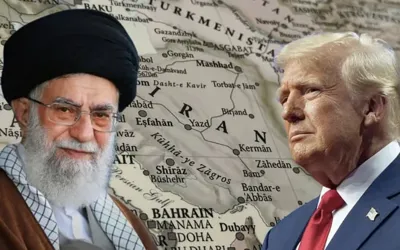
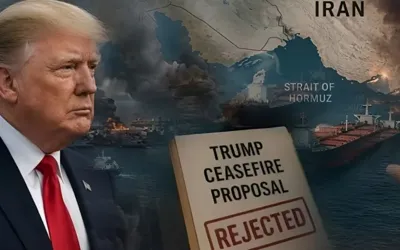
The shadow of potential U.S. military intervention in Iran persists, even if recent tensions have temporarily eased. While President Donald Trump’s recent rhetoric has softened, the underlying tensions remain, raising questions about what might occur if the U.S. once again seeks regime change in Tehran.
Who Influenced Trump’s Recent De-escalation?
Speculation abounds regarding what influenced Trump to hold back from striking Iran. Some reports point to diplomatic efforts from regional partners such as Egypt, Oman, the UAE, Saudi Arabia, and Turkey. Others suggest Israeli Prime Minister Benjamin Netanyahu played a significant role, lobbying for patience.
Trump himself has claimed independence in his decision-making:
"Nobody convinced me. I convinced myself… I greatly respect the fact that all scheduled hangings, which were to take place yesterday, have been canceled by the leadership of Iran… That had a big impact… Thank you."
Despite this assertion, evidence suggests that external pressures, especially from allies and regional players, may have contributed to delaying military action.
The Role of Iran’s Internal Stability
A key factor that possibly restrained Trump was Iran’s robust response to internal unrest. Following widespread protests over economic hardship and political grievances, millions took to the streets in Tehran and across the country, including women, children, and the elderly.
Iran’s government responded with a firm hand. Amnesty International reports indicate that security forces used lethal force against demonstrators, with the death toll reportedly reaching 2,000. Videos surfaced showing protesters attacking religious sites and government symbols a tactic reminiscent of extremist groups, which ultimately backfired by rallying Iranians around their national identity and religious cohesion.
Trump’s initial encouragement for Iranians to “keep protesting” underestimated Iran’s societal fabric and the strength of its institutions. Iran’s security forces comprising hundreds of thousands of Revolutionary Guards, military personnel, police, and paramilitary groups proved resilient, swiftly restoring order.
The Risks of Military Action Against Iran
A military strike by the U.S. or its allies could have destabilized the entire region. Neighboring countries, such as Iraq, Afghanistan, and Pakistan, would face spillover effects, while Russia and China monitor regional developments closely, wary of losing influence.
Turkey faces internal challenges, including Kurdish insurgencies near its borders, which could intensify amid regional chaos. Iran’s warning of retaliation against any foreign attack underscores the high stakes involved. The Middle East’s geopolitical landscape is a delicate balance, where a single misstep could ignite a broader conflict.
Lessons from Iran’s Resilience
While Iran has avoided direct conflict with the U.S. for now, overconfidence remains dangerous. The Iranian government faces multiple challenges: economic sanctions, internal unrest, and diplomatic isolation. To survive, it must navigate these waters carefully potentially strengthening alliances with Russia, China, or even seeking pragmatic engagement with the West.
The old adage rings true: “First comes food, then morality.” A nation struggling to meet basic needs has little capacity for political arrogance. Iran’s focus on economic stability and social cohesion may prove to be its best defense against external pressures.