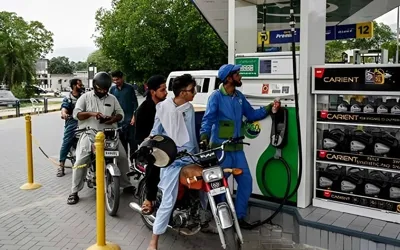
For many households in Punjab, inflation is not an abstract economic indicator but a daily calculation that directly shapes consumption choices what to buy, how much to buy, and what to delay.
In this environment, public retail interventions are ultimately judged not by policy design, but by lived experience: lower prices, consistent quality, and convenience.
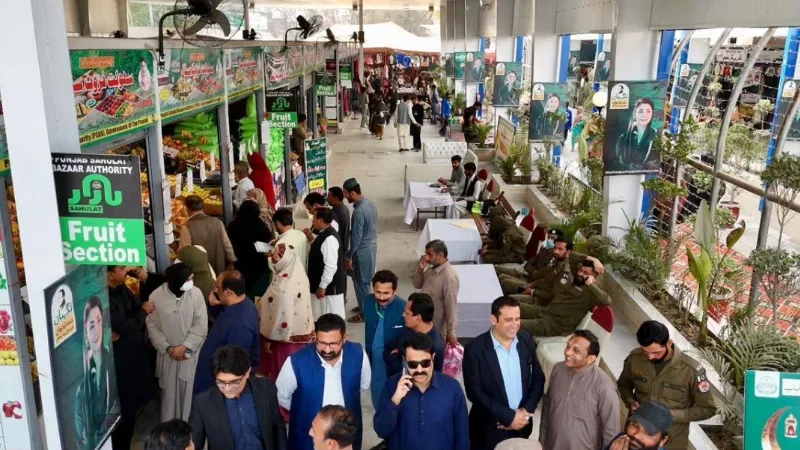
Across the province, the Punjab Sahulat Bazaars Authority has gradually evolved into a structured retail network of permanent, mobile, and seasonal markets. These initiatives have become especially prominent during high-demand periods such as Ramzan, when price stability is most critical for households.
The system is overseen by Naveed Rafaqat Ahmad, whose administrative role has remained largely behind the scenes, while the model itself has expanded into a wider public welfare framework.
Reported Household Savings and Economic Impact
A March 2026 Ipsos Economic Impact Assessment provides one of the most detailed evaluations of the system’s performance.
It estimates that participating households save an average of approximately Rs. 62,000 annually, with total aggregate savings reaching around Rs. 147.5 billion.
These savings are not limited to lower prices alone. The report suggests a shift in household budget allocation, with additional resources redirected toward essential needs such as food, healthcare, education, and utility payments.
High Usage and Growing Public Trust
The assessment estimates annual footfall at nearly 189 million visits, indicating that these bazaars have become a routine part of consumer behaviour rather than occasional alternatives.
Surveyed users cited consistent pricing, transparent rate displays, and basic service facilities such as cleanliness and complaint handling mechanisms as key reasons for repeat usage. Overall satisfaction was reported at 94 percent.
Expansion Beyond Physical Markets
The system has also expanded into digital and logistical services, including a free home delivery option for essential commodities. This has added convenience for working households and individuals with limited mobility.
According to the report, 88 percent of users expressed satisfaction with the delivery service, noting both time savings and reduced transport costs.
Impact on Vendors and Small Businesses
On the supply side, the model has also reshaped small-scale retail operations. Many vendors reportedly entered the system without prior formal registration and later gained improved customer trust and business stability.
Lower operational costs combined with higher footfall have contributed to increased sales volumes, suggesting benefits for both consumers and small traders.
Broader Economic Contribution
The Ipsos report estimates that the Sahulat Bazaar system contributes approximately Rs. 231 billion to GDP, alongside indirect effects across related sectors of the economy.
However, for most households, the impact is measured more simply—through weekly grocery bills, daily affordability, and the ability to manage essential expenses more effectively.
Policy Design Meets Everyday Reality
The experience of Punjab’s retail intervention highlights a broader policy lesson: public welfare systems are most effective when they align with everyday consumer behaviour.
In the case of Sahulat Bazaars, the model’s continued relevance appears to stem from its integration into routine household economics—where even small, consistent savings translate into meaningful financial relief over time.