Wednesday, November 4, 2026
Watch Live
UPDATED
FUEL PRICE
04-NOV-2026
PETROL
▼ -5.45 PKR
Rs. 369.06/ltr
DIESEL
▼ -3.68 PKR
Rs. 391.52/ltr
Headlines
Pakistan successfully tests first indigenous Fa’az air-to-air missile, military says Winter smog may accelerate skin aging, experts warn of wrinkles and spots Federal Govt cuts petrol price by Rs5.45 per litre Elon Musk leads billionaire donors backing Republican candidates Pakistan leads global YouTube race with 560 million daily views Security forces kill 17 militants and foil blockade in twin Balochistan operations says ISPR US midterm polling faces technical and weather-related disruptions No relaxation on 2D barcode enforcement, warns Health Minister Mustafa Kamal Trump privately fears Democrats could take control of Congress, report says Jennie makes animated film debut with award-nominated Netflix track 33 countries issue emergency stockpiling guidelines for citizens Pakistan to hold Rs1500 prize bond draw in Hyderabad on Nov 16 Two policemen martyred in attack on anti-polio campaign in KP Jerry Fort's final wish to play GTA 6 ends in heartbreak Karoline Leavitt calls upcoming US midterms “most important” in American history Maryam Nawaz unveils 127 Attock projects, challenges Chaudhry Salik over corruption claims PM Shehbaz Sharif calls high-level meeting to review situation in KP US consortium proposes $4.4 billion LNG project in Pakistan Pakistan successfully tests first indigenous Fa’az air-to-air missile, military says Winter smog may accelerate skin aging, experts warn of wrinkles and spots Federal Govt cuts petrol price by Rs5.45 per litre Elon Musk leads billionaire donors backing Republican candidates Pakistan leads global YouTube race with 560 million daily views Security forces kill 17 militants and foil blockade in twin Balochistan operations says ISPR US midterm polling faces technical and weather-related disruptions No relaxation on 2D barcode enforcement, warns Health Minister Mustafa Kamal Trump privately fears Democrats could take control of Congress, report says Jennie makes animated film debut with award-nominated Netflix track 33 countries issue emergency stockpiling guidelines for citizens Pakistan to hold Rs1500 prize bond draw in Hyderabad on Nov 16 Two policemen martyred in attack on anti-polio campaign in KP Jerry Fort's final wish to play GTA 6 ends in heartbreak Karoline Leavitt calls upcoming US midterms “most important” in American history Maryam Nawaz unveils 127 Attock projects, challenges Chaudhry Salik over corruption claims PM Shehbaz Sharif calls high-level meeting to review situation in KP US consortium proposes $4.4 billion LNG project in Pakistan

Iran strikes US bases in Kuwait, Bahrain after second day of US attacks

Iran strikes US bases in Kuwait, Bahrain after second day of US attacks

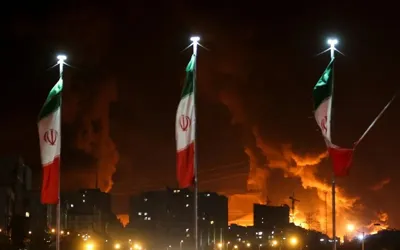
DUBAI: Iran struck U.S. military sites in Kuwait and Bahrain on Thursday, hours after the U.S. military launched a second wave of overnight strikes on Iran that officials said were aimed at keeping the Strait of Hormuz open to shipping.

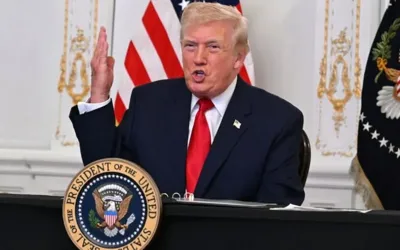
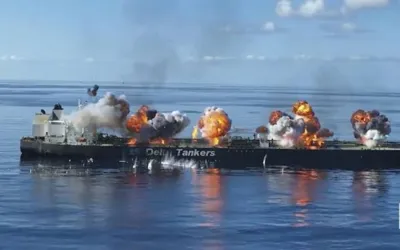
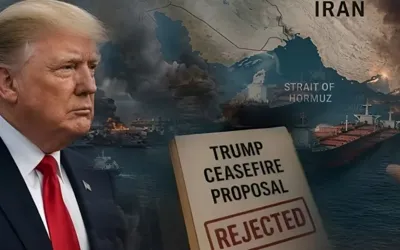
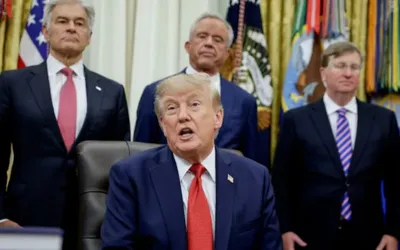
The retaliatory attacks came after President Donald Trump declared that an interim agreement aimed at ending the war was "over." Trump said the fresh U.S. strikes were carried out "in retribution" for an Iranian assault Tuesday on three cargo ships transiting the strait.

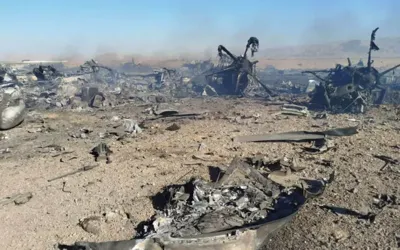
Iranian state media reported that a maritime traffic control tower in the southern port of Chabahar was hit overnight as part of the American strikes along Iran's southern coast.

In response, Iran said it attacked U.S. bases in Kuwait and Bahrain, both of which host major American military installations, calling the strikes retaliation for the new U.S. attacks on its infrastructure.

The Kuwaiti army said the country sustained material damage and that one person was injured but was in stable condition after being struck by shrapnel falling from the overnight Iranian attacks. The army said its air defenses engaged one cruise missile, three ballistic missiles and 10 drones over Kuwaiti airspace.

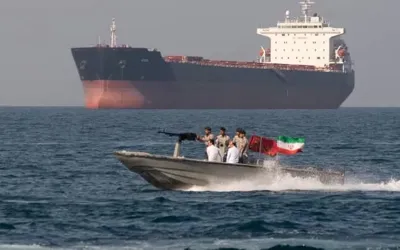
The possible collapse of U.S.-Iran peace talks, combined with the stop-start flow of tankers through the Strait of Hormuz, poses what analysts describe as a nightmare scenario for Gulf nations that have been eager to return to normalcy after a bruising, multi-month conflict.

Iran appears determined to assert control over shipping movements through the strait as a way to deter future U.S. or Israeli attacks, sending a message that global energy markets will pay a price if Washington threatens the Iranian government again.

At the same time, the United States and Gulf states have insisted on preserving freedom of navigation through the waterway, which carried a fifth of the world's oil supply before the war.

That standoff has created conditions for what could become a prolonged, low-grade crisis. Even if both sides stop short of all-out war, the risk of miscalculation remains high, making the strait a persistent flashpoint that could ignite a broader regional conflict in the years ahead.

As a result, traffic through the Strait of Hormuz is likely to remain unpredictable for the foreseeable future.
Recommended